Lok Sabha Braces for Major Confrontation Over FCRA Amendment Bill
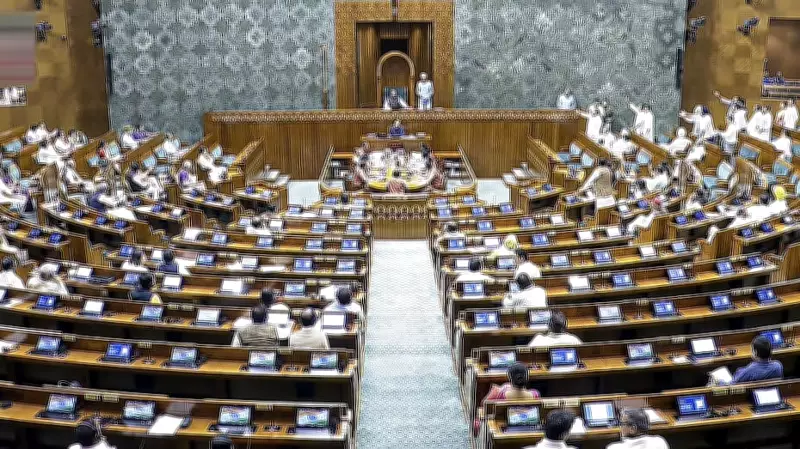
The Lok Sabha is poised for a significant political showdown as the government and opposition parties prepare to clash over a proposed amendment to the Foreign Contribution Regulation Act (FCRA). The contentious legislation, scheduled for debate, has already sparked intense controversy across party lines.
Key Provisions of the FCRA Amendment Bill
The proposed bill contains a particularly controversial provision that would empower authorities to take control of assets created using foreign funds if the entity authorized to collect such donations has its license cancelled, ceased, or suspended. This represents a substantial expansion of government oversight over organizations receiving foreign contributions.
The amendment specifically targets:

- Organizations that have had their FCRA registration revoked
- Entities whose licenses have been suspended by regulatory authorities
- Groups that have voluntarily ceased operations while holding foreign funds
Political Battle Lines Drawn
The ruling Bharatiya Janata Party (BJP) has positioned the amendment as necessary for greater transparency and accountability in foreign funding. Government representatives argue that the measure will prevent misuse of foreign contributions and ensure that assets created with such funds remain under proper oversight.
Meanwhile, opposition parties, led by the Congress, have raised serious concerns about potential overreach. Critics argue that the provision could be weaponized against non-governmental organizations, civil society groups, and other entities that rely on foreign funding for legitimate activities.
"This amendment represents a dangerous expansion of executive power that could be used to target organizations critical of government policies," one opposition leader stated ahead of the parliamentary session.
Broader Implications for Civil Society
The proposed legislation has sparked broader discussions about the relationship between civil society organizations and government oversight in India. Proponents maintain that stricter regulation is necessary to prevent foreign interference in domestic affairs, while opponents warn of potential chilling effects on legitimate humanitarian and development work.
The debate comes at a time when India's regulatory framework for foreign contributions has already undergone significant changes in recent years. The current amendment represents what many observers see as the next phase in this ongoing regulatory evolution.
As parliamentarians prepare for what promises to be a heated debate, all eyes will be on how this legislation progresses through the legislative process and what compromises, if any, might emerge from the parliamentary discussions.