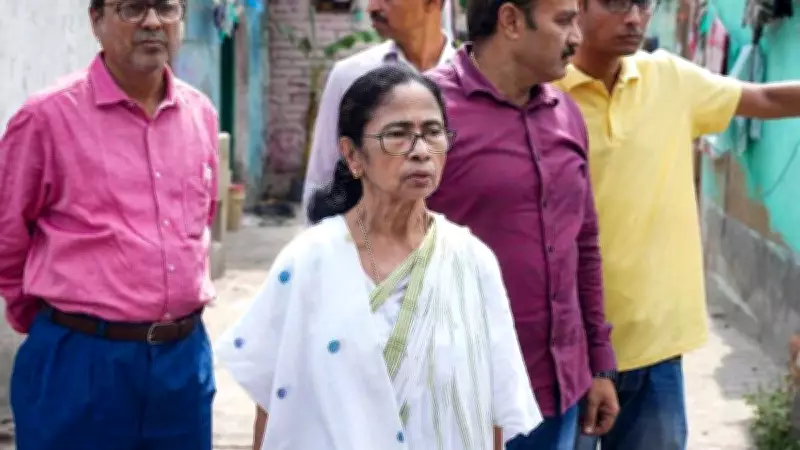
West Bengal Chief Minister Mamata Banerjee has announced that the Trinamool Congress (TMC) will proceed with its planned protest in Kolkata, even after police denied permission for the gathering. Speaking to reporters, Banerjee stated that she is prepared to be arrested and accused the Bharatiya Janata Party (BJP) of attempting to dismantle her party through defections, police pressure, and misuse of institutions.
Allegations Against BJP
Banerjee alleged that the BJP is orchestrating a conspiracy to break the TMC by luring its leaders with promises of power and using central agencies to harass party members. She claimed that democratic protests are being systematically obstructed in West Bengal, and that the denial of permission for the protest is a clear example of this tactic.
Defense of Abhishek Banerjee
The TMC chief also came out in strong defense of her nephew and party leader Abhishek Banerjee, amid growing political tensions and reports of internal dissent within the party. She asserted that Abhishek remains a loyal and integral part of the TMC, and that attempts to target him are part of a larger BJP strategy to weaken the party.

Internal Challenges
Banerjee's remarks come at a time when the TMC is facing internal challenges, with several leaders reportedly moving closer to the BJP. The party has seen a series of defections in recent months, which Banerjee attributes to BJP's relentless efforts to poach its members. She urged TMC workers to remain united and resist any attempts to divide the party.
Protest Plans
Despite the police denial, Banerjee confirmed that the protest will go ahead as planned. She called on TMC supporters to gather in large numbers and peacefully demonstrate against what she termed as the BJP's anti-democratic actions. The Chief Minister warned that any attempts to suppress the protest would be met with further resistance.
The political landscape in West Bengal remains tense as the TMC and BJP continue to clash over governance and democratic rights. Banerjee's announcement signals a renewed confrontation with the central government, setting the stage for a prolonged political battle in the state.