

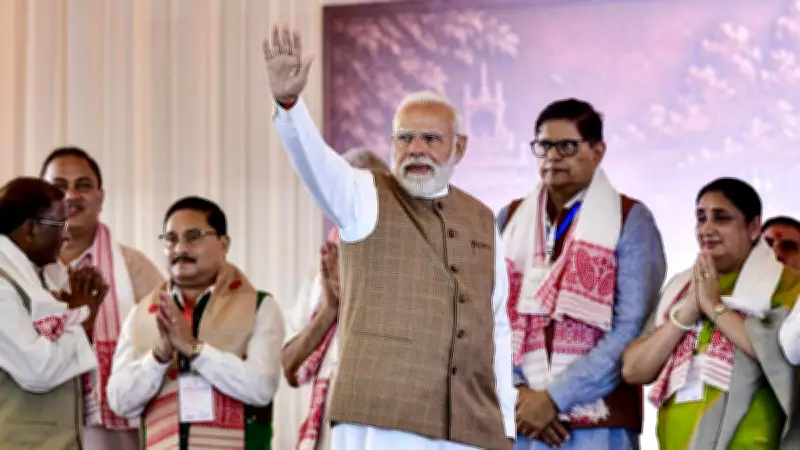
The concept of 'Modi Tattva' has emerged as a significant phenomenon in contemporary Indian politics, representing a blend of reverence, leadership, and ideological devotion. This article delves into the study of how political figures, particularly Prime Minister Narendra Modi, are elevated to a near-divine status, shaping public discourse and electoral outcomes.
The Rise of Political Deification
Political deification is not new to India, but the scale and intensity surrounding Modi are unprecedented. Supporters often attribute to him qualities of visionary leadership, decisiveness, and a connection to the masses that borders on the spiritual. This reverence is cultivated through carefully orchestrated media campaigns, public rallies, and social media strategies that highlight his humble beginnings and transformative policies.
Implications for Democracy
While such reverence can galvanize support and foster national unity, it also raises concerns about democratic health. Critics argue that uncritical adulation stifles dissent and creates an environment where accountability is undermined. The concentration of power and personality cults can lead to a weakening of institutions and a shift from policy-based debates to personality-driven politics.

Media and Narrative Control
The role of media in amplifying 'Modi Tattva' is crucial. Favorable coverage, selective reporting, and the marginalization of critical voices contribute to a narrative that reinforces the leader's infallibility. This control over information flow shapes public perception and limits alternative viewpoints.
Sociological Perspectives
From a sociological standpoint, the reverence for Modi taps into deep-seated cultural traditions of guru-shishya parampara and bhakti. It satisfies a psychological need for a strong, paternal figure in times of uncertainty. However, this can also lead to a passive citizenry that expects solutions from the top rather than engaging in participatory democracy.
Comparative Analysis
Comparisons with other global leaders who have inspired similar devotion, such as Donald Trump or Jair Bolsonaro, reveal common patterns: use of simple, emotional language, targeting of out-groups, and a narrative of victimhood and redemption. Yet, the Indian context adds layers of religious symbolism and historical continuity.
Conclusion
'Modi Tattva' is a multifaceted phenomenon that reflects both the strengths and vulnerabilities of Indian democracy. While it can drive developmental agendas and national pride, it must be balanced with robust institutional checks and a vibrant civil society to prevent the erosion of democratic norms. Understanding this reverence is essential for comprehending the current political landscape in India.






