Torrential monsoon rains have unleashed widespread devastation across Himachal Pradesh, with multiple landslides striking the state capital Shimla and surrounding areas. The deluge has triggered chaos, blocking roads, damaging property, and raising renewed concerns over unchecked construction activities in the ecologically fragile Himalayan region.
Landslides and Road Blockades
According to the Himachal Pradesh State Disaster Management Authority, several major landslides occurred overnight, particularly in Shimla's suburbs and along key arterial roads. The Shimla-Kalka highway and the road connecting Shimla to Rohru were among those severely affected, with debris piling up to several feet in some stretches. Authorities have advised commuters to avoid non-essential travel until clearance operations are completed.
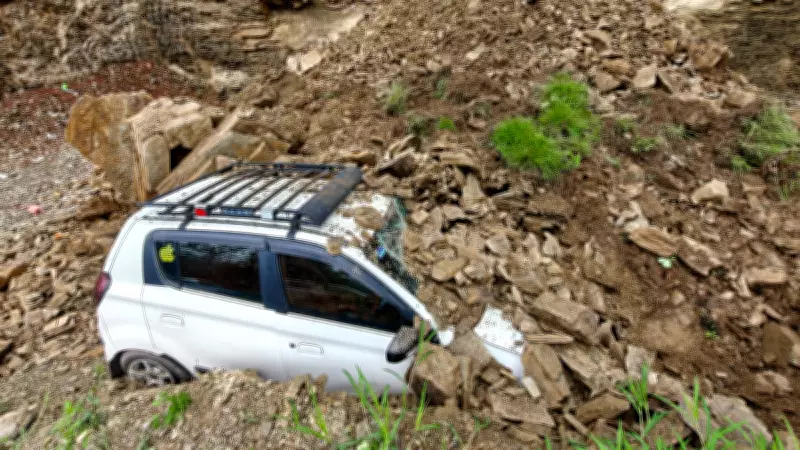
In the Jakhoo area of Shimla, a massive landslide brought down boulders and mud, damaging at least three vehicles and partially blocking access to the famous Jakhoo Temple. No casualties have been reported so far, but rescue teams remain on standby. The India Meteorological Department has issued a red alert for extremely heavy rainfall in the region over the next 48 hours, forecasting up to 200 mm of rain in isolated areas.

Local Outrage Over Unregulated Construction
Residents and environmental activists have pointed fingers at rampant, unregulated construction as a key aggravating factor. “Every year we see the same pattern – heavy rain, landslides, and loss of life. But nothing changes. The hillsides are being dug up for hotels and apartments without any regard for stability,” said Ramesh Thakur, a local shopkeeper in Shimla's Lower Bazaar area. Many locals allege that builders are cutting into steep slopes, removing vegetation, and blocking natural drainage channels, making the terrain more vulnerable to landslides.
According to data from the Himachal Pradesh Town and Country Planning Department, the number of building permits issued in Shimla district has increased by over 40% in the last five years, with many approvals granted in areas classified as high-risk zones. Environmental groups have repeatedly petitioned the state government to enforce stricter regulations and conduct environmental impact assessments before allowing construction in sensitive areas.
Government Response and Relief Efforts
The state government has mobilized the National Disaster Response Force (NDRF) and local police for rescue and relief operations. Chief Minister Sukhvinder Singh Sukhu has announced an immediate compensation of Rs 1 lakh for families affected by the landslides and has directed officials to expedite clearance of debris. In a statement, he said, “We are monitoring the situation closely. Our priority is to ensure the safety of residents and restore connectivity as soon as possible.”
However, critics argue that the government’s response has been reactive rather than proactive. “The government talks about disaster management, but where is the prevention? They keep giving permits for construction on fragile slopes. This is a man-made disaster waiting to happen,” said Dr. Anjali Sharma, a geologist at Himachal Pradesh University.
Impact on Daily Life and Economy
The incessant rains have also disrupted daily life across the state. Over 200 villages in Shimla, Kullu, and Mandi districts have reported power outages, and several schools have been closed as a precautionary measure. The tourism sector, which is the backbone of Himachal’s economy, has taken a hit as popular destinations like Manali and Dharamshala have seen a sharp drop in tourist arrivals due to road blockades and safety concerns.
Local businesses are struggling. “We have had no customers for two days. The roads are blocked, and tourists are cancelling bookings. This is our peak season, and we are losing thousands of rupees every day,” said Vikram Singh, a hotel owner in Shimla. According to the Himachal Tourism Development Corporation, the state recorded a 30% decline in tourist footfall in the first week of July compared to the same period last year, largely due to the monsoon fury.

Long-Term Solutions Under Debate
The recurring monsoon disasters have reignited the debate over sustainable development in the Himalayas. Experts are calling for a comprehensive land-use policy that restricts construction in ecologically sensitive zones and mandates strict enforcement of building codes. “We need to map landslide-prone areas and prohibit any construction there. Retrofitting existing structures and restoring natural drainage should be a priority,” said Dr. Sharma.
The state government has announced the formation of a committee to review building regulations and suggest amendments. However, activists remain skeptical, pointing out that similar committees in the past have failed to produce tangible results. As the rains continue to lash Himachal, the immediate focus remains on rescue and relief, but the long-term question of how to balance development with ecological safety looms large.