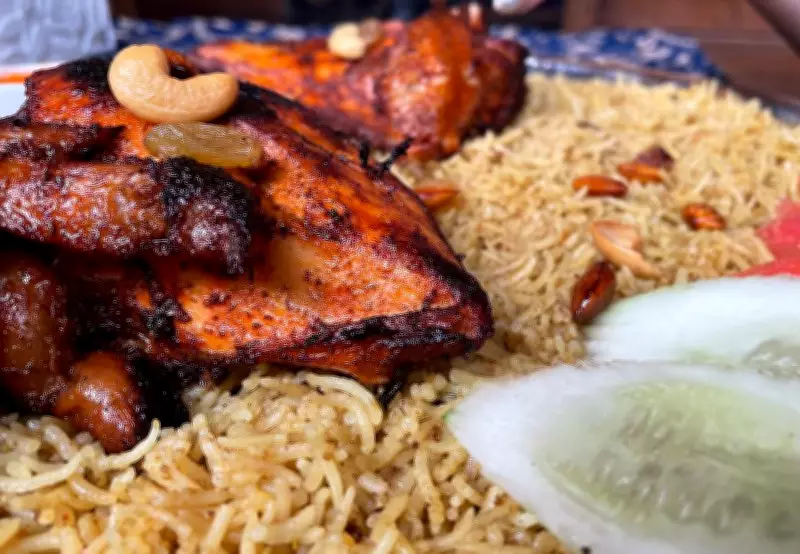
The wedding season in Kashmir is being overshadowed by a severe mutton shortage, which traders attribute to an alleged illegal levy imposed by Punjab on livestock passing through the state. The crisis threatens the traditional Wazwan, a multi-course meat-based meal that is the culinary centerpiece of Kashmiri weddings.
Wazwan weddings hit hard by meat scarcity
Weddings in Kashmir are incomplete without Wazwan, with an average ceremony consuming around 500 kilogrammes of mutton and 150 kilogrammes of chicken. Lavish weddings can use more than a tonne of mutton. Traders say the alleged levy has dampened wedding fervour across the Valley.
Altaf Ganaie, a mutton dealer from Budgam, told PTI: "We are facing an acute shortage of mutton due to the problems created by the Punjab government. If this situation continues, I will not be able to supply livestock to my clients in this wedding season." Ganaie claimed that if the impasse is not resolved within 15 days, he will incur losses of lakhs of rupees. "I have made payments to the supplier in Rajasthan, but I have not received any sheep in the past month. It will be difficult to make a living if this situation continues," he added.

Traders call Punjab levy 'Goonda Tax'
Khazir Mohammad Regoo, president of the All Kashmir Wholesale and Retail Mutton Dealers Association, likened the four per cent levy imposed by Punjab to a 'Goonda Tax'. He said there was no justification for the tax, as livestock is bought from Rajasthan or Delhi.
Abdul Majeed Bhat, a resident of Hyderpora, is contemplating postponing his son's wedding scheduled for July 25 due to the crisis. "My son is scheduled to get married on 25th of July. I am unable to decide whether to go ahead with the wedding feast. We might have to postpone it," Bhat said.
Chief Minister Omar Abdullah takes up issue with Punjab
Chief Minister Omar Abdullah on Monday said he has taken up the concerns of mutton dealers with his Punjab counterpart, Bhagwant Mann, and sought his intervention to ensure the smooth movement of livestock vehicles through the neighbouring state. Abdullah informed Mann that livestock-laden vehicles bound for Jammu and Kashmir were allegedly being stopped by certain contractor groups connected to cattle fairs and subjected to unauthorised fee collection, despite carrying all valid permits.
"I have taken up this issue with the Punjab government, seeking immediate intervention to ensure the unhindered movement of livestock transport vehicles through Punjab," Abdullah said. "They are just using the highway. There is no justification for unauthorised levies being imposed on the mutton dealers from Jammu and Kashmir," he added.
The chief minister posted on social media a letter he had written to Mann last week, stating that such disruptions cause avoidable delays, financial losses, and hardship to transporters, adversely affecting animal welfare. The matter is being examined by the Kashmir Department of Food, Civil Supplies & Consumer Affairs through an internal committee.
Findings indicate unlawful charges
"The findings indicate that transporters are reportedly being compelled to make substantial payments per vehicle during transit without any apparent legal sanction. The committee has further observed that livestock movement is exempt from GST and that the continued imposition of such charges is placing an additional burden on the livestock trade, with consequential impact on meat prices and consumers in Jammu and Kashmir," Abdullah wrote.
Abdullah reminded Mann that Punjab and Jammu and Kashmir share longstanding bonds of friendship, cooperation, and economic interdependence. "Any such practices, if found to be occurring, are inconsistent with the spirit of cooperation that has traditionally characterised relations between us and have understandably caused concern among the trading community," he wrote.