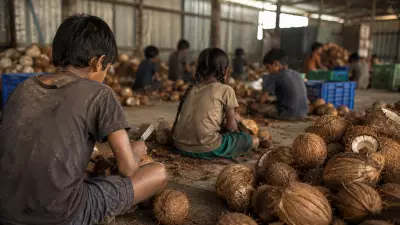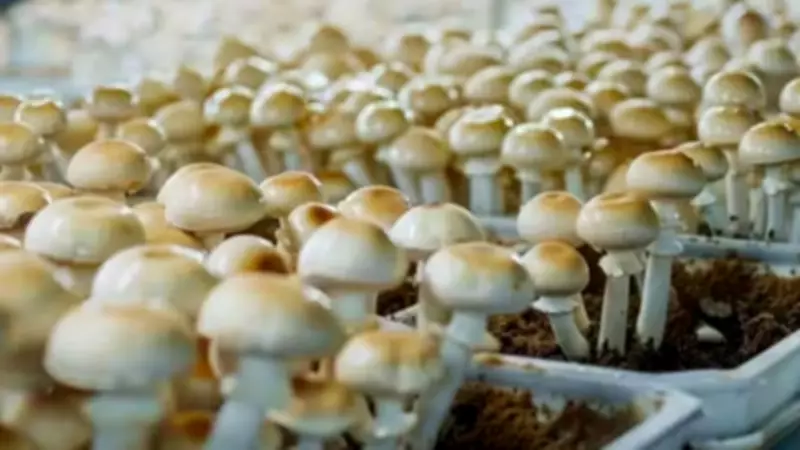
In a significant shift, dog meat traders in Nagaland have voluntarily abandoned their traditional trade and transitioned to mushroom farming to secure sustainable livelihoods. This move comes despite the fact that the state government's 2020 ban on dog meat was quashed by the Gauhati High Court in June 2023 on technical grounds.
Voluntary Transition Amid Legal Vacuum
The decision to give up dog meat trading was not mandated by law but was a collective choice by the traders, who sought alternative income sources. According to Sumir Karmakar, the traders expressed a desire to move away from the controversial practice and embrace more socially acceptable and economically viable options.
Mushroom farming, particularly oyster mushroom cultivation, has emerged as a promising alternative. The initiative is supported by local NGOs and the state's agriculture department, which provided training and initial resources. Traders reported that mushroom farming requires less capital and offers quicker returns compared to dog meat trading.

Background of the Ban
The Nagaland government had banned the sale and consumption of dog meat in July 2020, citing animal welfare concerns and public health risks. However, the Gauhati High Court struck down the ban in June 2023, ruling that the state government lacked the legislative competence to impose such a prohibition under the existing legal framework. The court noted that the ban was procedurally flawed and violated the rights of traditional traders.
Despite the legal setback, many traders have chosen to exit the dog meat business voluntarily. “We realized that the trade was harming our reputation and creating social stigma. Mushroom farming gives us dignity and stable income,” said a former trader, who requested anonymity.
Impact on Livelihoods
The shift has positively impacted approximately 50 families in the Dimapur and Kohima districts. Each family now earns an average of ₹8,000 to ₹10,000 per month from mushroom sales, comparable to their previous income from dog meat trading. The mushrooms are sold in local markets and to hotels, with demand steadily increasing.
The state government has welcomed the transition and is exploring ways to expand the program. An official from the Nagaland Agriculture Department stated, “We are providing technical support and subsidies to encourage more traders to adopt mushroom farming. This is a sustainable alternative that benefits both the community and animal welfare.”
Continued Challenges
While the voluntary shift is encouraging, dog meat sale continues in some parts of Nagaland, particularly in remote areas where alternative livelihoods are scarce. Animal rights groups have urged the government to reintroduce a legally sound ban and provide more robust support for transitioning traders.
The Gauhati High Court's decision left a legal vacuum, and without a new ban, enforcement remains difficult. However, the voluntary adoption of mushroom farming by a section of traders sets a precedent that could inspire broader change.