Nepal's Election: Balendra Shah's Campaign Poised for Historic Victory
The political landscape in Nepal is on the brink of a significant transformation as the nation awaits the final results of its recent elections. According to the election commission, the outcomes for 165 seats determined through direct, first-past-the-post tallies and 110 seats allocated via proportional representation are anticipated to be announced by next week. This electoral process is crucial in shaping the future leadership and policies of the country.
The Rise of Balendra Shah's Campaign
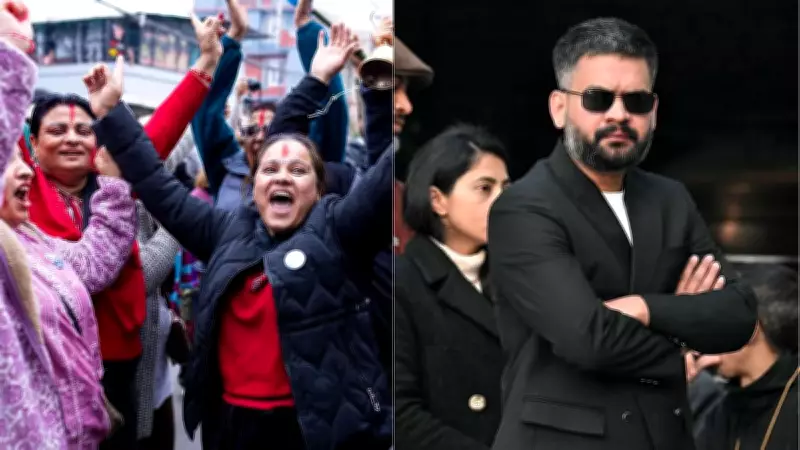
At the heart of this election is the campaign led by Balendra Shah, which has garnered substantial attention and support. His movement, often characterized by its grassroots appeal and focus on addressing key national issues, has positioned him as a formidable contender for power. The campaign's strategies have emphasized transparency, economic development, and social reforms, resonating with a broad spectrum of voters across Nepal.
Political analysts suggest that Shah's approach, which blends traditional values with modern governance ideas, could potentially vault him into a position of significant influence. If successful, this could mark a pivotal shift in Nepal's political dynamics, moving away from established parties towards new leadership.

Election Process and Expectations
The election commission has outlined a meticulous process for tallying votes, ensuring accuracy and fairness in the results. The 165 direct seats are decided based on the candidate with the most votes in each constituency, while the 110 proportional representation seats are allocated to parties based on their overall vote share, promoting a more inclusive political representation.
As the countdown to the results continues, there is heightened anticipation among citizens and international observers. The outcome will not only determine the composition of the parliament but also set the direction for Nepal's governance in the coming years. Issues such as economic stability, infrastructure development, and foreign relations are at the forefront of voter concerns.
Implications for Nepal's Future
A victory for Balendra Shah could herald a new era in Nepalese politics, potentially bringing fresh perspectives and reforms. His campaign has promised to tackle corruption, improve public services, and foster greater international cooperation. However, challenges remain, including navigating coalition politics and addressing the diverse needs of Nepal's population.
The election results, expected next week, will be closely monitored for their impact on regional stability and democratic processes. Regardless of the outcome, this election underscores the vibrant and evolving nature of democracy in Nepal, with Balendra Shah's campaign serving as a key narrative in this historic moment.