Non-Resident Indians (NRIs) in Punjab are increasingly disengaged from state political affairs ahead of the upcoming assembly elections, driven by concerns over law and order, administrative apathy, and a growing distrust of political parties. This trend marks a shift from previous election cycles when large NRI gatherings and feedback sessions were common.
Reasons for NRI Disengagement
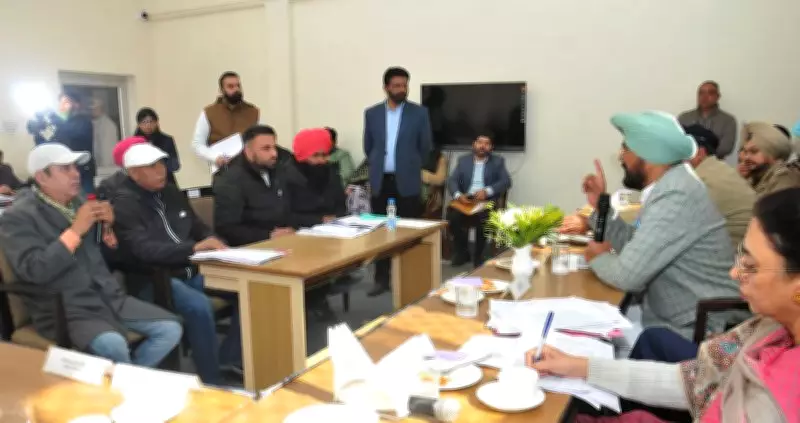
According to participants in a recent NRI milni in Jalandhar, systemic apathy and deteriorating law and order have made NRIs hesitant to involve themselves in state matters. Many report that their personal disputes and cases have not received sympathetic responses from the administration. Extortion cases and gang-related incidents have further prompted NRIs to maintain a low profile to avoid attracting undue attention to their properties and businesses.
Rahul Kumar noted that NRIs have been vocal about problems in Punjab during meetings with successive governments, but their role has shifted from active support to passivity due to drug problems and law and order concerns affecting their properties. He urged the government to identify causes and create a conducive ecosystem for greater NRI participation.

Emotional Bonds vs. Political Realities
Despite strong emotional and cultural ties, NRIs' direct participation in elections has remained limited. Yashvita Sharma argued that NRIs remain active at the grassroots level, especially during panchayat elections, but their influence is less visible in state-level politics. Rashi Verma highlighted the potential for organisations like the NRI Sabha in Jalandhar to serve as stronger platforms for engagement.
Lakshit Jindal pointed to the rise of a new generation of youth, citing NRI Abhijeet Dipke, who used social media to hold the government accountable. He urged NRIs to follow this example and become more involved in India's political discourse.
Generational Shift and National Issues
Nirmaljit Singh Chatrath observed that NRIs' cautiousness about direct political involvement is due to distance, limited participation avenues, and concerns about accountability. Their contributions are often channelled through investments, education, and charity rather than partisan politics. JP Singh noted that NRIs are well-informed about India's political realities and have judged the functioning of political parties in Punjab.
Anamika suggested that the Cockroach Janta Party (CJP), despite online buzz, lacks a structured campaign on the ground, leading NRIs to remain curious but not actively involved. Nancy pointed out that NRIs are more concerned with national issues like flight connectivity and embassy services, and younger generations are increasingly detached from Punjab's political history.
Need for a National Debate on Youth Welfare
Nirmaljit Singh Chatrath emphasised that the CJP underscores the need for a serious national debate on youth welfare, employment, and educational reforms. Sucha Singh Sagar added that NRIs' disinterest reflects a growing gap between diaspora aspirations and local realities, with many feeling disconnected from the nuances of Punjab's current political landscape.
Overall, the bond between NRIs and Punjab remains strong, but their political engagement has evolved towards a more passive and observational role. Re-engaging this community through transparent governance and credible platforms could strengthen democratic processes and contribute to Punjab's development.