

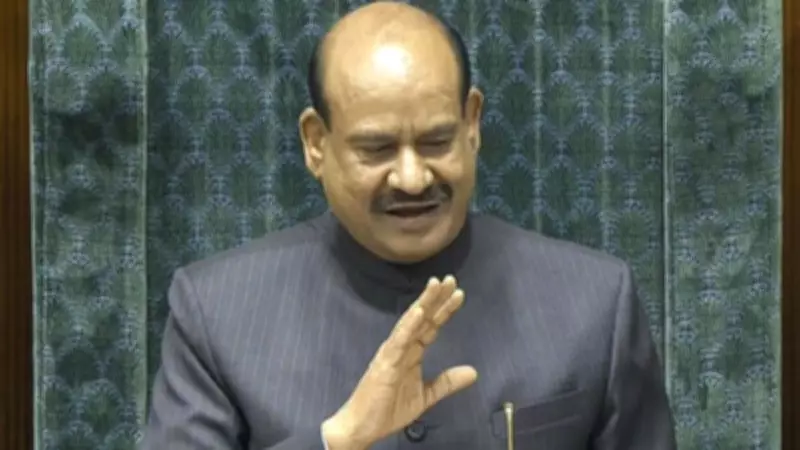
Opposition Moves Resolution to Remove Lok Sabha Speaker Om Birla
In a significant development in India's parliamentary proceedings, at least 118 opposition members have formally submitted a notice for moving a resolution to remove Speaker Om Birla from his office. This action stems from allegations that Birla did not permit Leader of the Opposition (LoP) Rahul Gandhi and other opposition leaders to speak during the debate on the Motion of Thanks to the President's address. The resolution highlights growing tensions between the ruling party and the opposition in the Lok Sabha.
Details of the Resolution and Its Implications
The resolution accuses Speaker Om Birla of failing to uphold parliamentary decorum and fairness by allegedly denying Rahul Gandhi and other opposition members the opportunity to voice their opinions in the House. This occurred specifically during discussions on the Motion of Thanks, a key parliamentary tradition where members respond to the President's address outlining the government's agenda. The opposition claims that this action undermines democratic principles and the rights of elected representatives.
In response to this move, it has been confirmed that Speaker Om Birla will be present in the Lok Sabha during the proceedings related to the resolution. However, he will not chair the session, adhering to parliamentary protocols that require the Speaker to step aside when a motion concerning their removal is under consideration. This arrangement ensures impartiality and allows for a fair debate on the matter.

Background and Broader Context
The Motion of Thanks to the President's address is a crucial part of India's parliamentary calendar, setting the stage for debates on government policies and performance. The opposition's move to target Speaker Birla reflects deeper political rifts and concerns over the functioning of the House. Critics argue that such incidents could erode trust in parliamentary institutions, while supporters of the Speaker maintain that he has acted within his discretionary powers to maintain order.
This development comes amid ongoing political dynamics in India, where opposition parties have frequently raised issues of procedural fairness and representation. The resolution against Om Birla, if debated, could lead to a vote in the Lok Sabha, potentially impacting his tenure and setting precedents for future parliamentary conduct. Observers note that such motions are rare but significant in shaping legislative norms and accountability.
As the situation unfolds, all eyes are on the Lok Sabha to see how this resolution is handled and what it means for India's democratic processes. The outcome may influence not only the immediate political landscape but also long-term parliamentary practices and the relationship between the government and opposition.






