Passport Dispute Escalates with Dramatic Police Raid on Congress Leader's Home
The simmering passport controversy in India has taken a sharp and contentious turn, escalating significantly as law enforcement authorities conducted a surprise raid on the residence of Congress spokesperson Pawan Khera. This development marks a dramatic intensification of a political and legal feud that has captured national attention, involving high-profile figures from opposing parties.
Background of the Passport Row
The core of this dispute originates from allegations made by Bharatiya Janata Party (BJP) spokesperson Sambit Patra. Patra has publicly accused Pawan Khera of utilizing a fraudulent passport, a serious charge under Indian law that carries potential legal repercussions. Khera, a prominent voice for the Indian National Congress, has vehemently denied these allegations, framing them as a politically motivated attack designed to discredit him and his party.
This accusation is not an isolated incident but part of a broader pattern of heated exchanges between the BJP and Congress, India's two largest political parties. The passport issue has become a focal point in their ongoing rivalry, with each side leveraging it to question the integrity and legitimacy of the other.

The Raid: A Significant Escalation
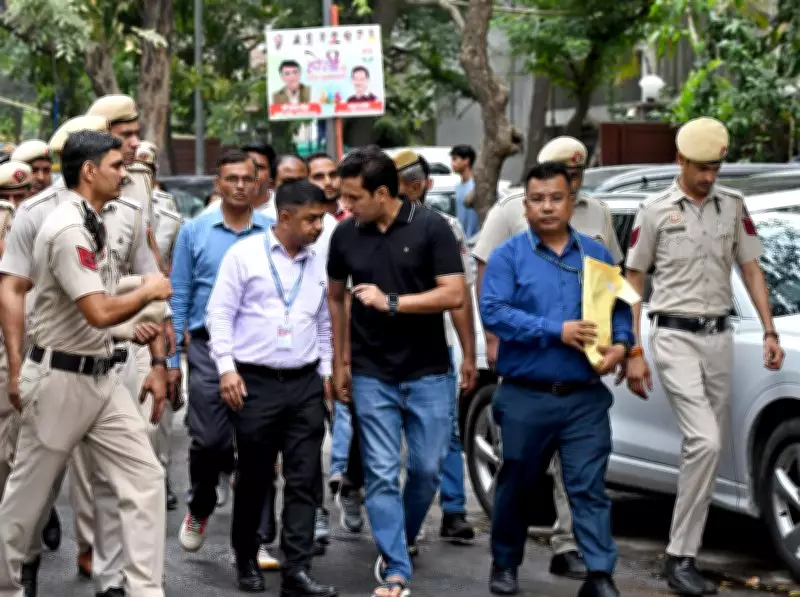
The situation escalated profoundly when police officers, acting on the basis of the allegations, executed a raid at Pawan Khera's home. This action represents a formal and aggressive step in the investigation, moving the dispute from verbal sparring into the realm of active law enforcement. The raid involved searches and the seizure of documents and electronic devices, standard procedures in such inquiries but highly unusual for a political figure of Khera's stature.
Details emerging from the raid indicate that authorities were specifically looking for evidence related to the passport allegations, including any documents that might substantiate or refute the claims of fraud. The timing and nature of the raid have sparked intense debate, with critics questioning whether it was procedurally justified or influenced by political considerations.
Political Reactions and Fallout
The police raid has triggered a swift and polarized response from the political arena. The Congress party has condemned the action in the strongest terms, labeling it as "vendetta politics" and an attempt to intimidate opposition voices. Senior Congress leaders have rallied behind Khera, asserting his innocence and accusing the ruling BJP of misusing state machinery for political gain.
Conversely, BJP representatives have defended the raid as a necessary and lawful step in investigating a serious allegation. They argue that no individual, regardless of political affiliation, should be above the law, and that the police are merely performing their duty based on credible information. This stance has been echoed by some legal experts who emphasize the importance of due process, while others caution against the potential for such actions to be perceived as partisan.
Legal and Social Implications
Beyond the immediate political drama, this incident raises significant questions about legal procedures and the intersection of politics and law enforcement in India. Key implications include:

- Procedural Scrutiny: The legality and timing of the raid are under scrutiny, with calls for transparency in the investigation process to ensure it is free from political bias.
- Impact on Political Discourse: The escalation could further polarize political dialogue, potentially discouraging robust debate and fostering an environment of fear among opposition figures.
- Public Perception: The controversy may influence public opinion, with citizens divided on whether this represents rightful accountability or political targeting.
- Precedent Setting: The outcome could set a precedent for how similar allegations are handled in the future, affecting the balance between legal accountability and political freedom.
Looking Ahead
As the investigation progresses, all eyes are on the legal proceedings that will follow. The police are expected to analyze the evidence gathered during the raid, which could lead to formal charges if wrongdoing is substantiated, or a clearance if the allegations are unfounded. Either outcome is likely to have profound repercussions, potentially fueling further political conflict or, conversely, providing a resolution to this heated dispute.
In the meantime, the passport row has undeniably escalated, transforming from a war of words into a tangible legal confrontation. It underscores the volatile nature of Indian politics, where personal allegations can quickly spiral into high-stakes investigations with national implications. The coming days will be critical in determining whether this incident resolves through judicial means or continues to inflame political tensions across the country.