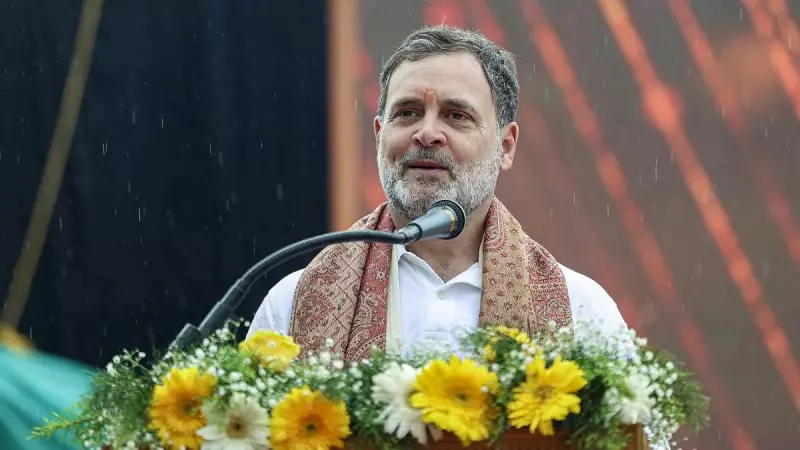
Rahul Gandhi Reaffirms Constitution as Fundamental Protector of Citizens' Rights
In a significant statement, Congress leader Rahul Gandhi has emphasized the pivotal role of the Indian Constitution as a shield to safeguard the rights of the people. This declaration comes at a time when political debates often center around constitutional values and their implementation in the nation's governance.
The Constitution as a Democratic Bulwark
Gandhi highlighted that the Constitution is not merely a legal document but a living framework designed to protect the fundamental freedoms and entitlements of every citizen. He stressed that it serves as a crucial barrier against any potential encroachments on individual liberties, ensuring that the democratic ethos of India remains intact.
According to Gandhi, the Constitution embodies the collective will and aspirations of the Indian populace, making it an essential tool for justice and equality. He pointed out that its provisions are instrumental in upholding the principles of secularism, social justice, and the rule of law, which are cornerstones of the country's political system.

Context and Political Implications
This assertion is seen as part of the ongoing political discourse, where opposition parties, including the Congress, frequently invoke constitutional ideals to critique government policies. Gandhi's remarks aim to reinforce the importance of adhering to constitutional mandates in all spheres of public life, from legislation to administration.
The timing of this statement is noteworthy, as it aligns with broader discussions on civil liberties and democratic norms in India. By positioning the Constitution as a shield, Gandhi seeks to remind both the public and policymakers of its protective role in a diverse and dynamic society.
Key Elements of the Constitutional Shield
The Indian Constitution, adopted in 1950, includes several key features that Gandhi referenced as protective mechanisms:
- Fundamental Rights: These guarantee individual freedoms such as speech, equality, and religion, acting as a check against state power.
- Directive Principles of State Policy: These provide guidelines for governance to promote social and economic welfare.
- Independent Judiciary: The courts play a vital role in interpreting and enforcing constitutional provisions to protect rights.
- Federal Structure: This ensures a balance of power between the central and state governments, safeguarding regional interests.
Gandhi's emphasis on these aspects underscores his view that the Constitution is integral to maintaining a just and inclusive society. He called for greater awareness and respect for its provisions among all stakeholders, including political leaders and citizens alike.
Broader Impact on Public Discourse
By framing the Constitution as a shield, Gandhi contributes to a narrative that prioritizes constitutional morality over partisan politics. This perspective resonates with various civil society groups and legal experts who advocate for stronger adherence to constitutional values in governance.
In conclusion, Rahul Gandhi's remarks serve as a reminder of the enduring relevance of the Indian Constitution in protecting people's rights. As political landscapes evolve, his call to uphold this shield highlights the ongoing need for vigilance in preserving democratic principles and ensuring that the Constitution remains a beacon of hope and justice for all Indians.