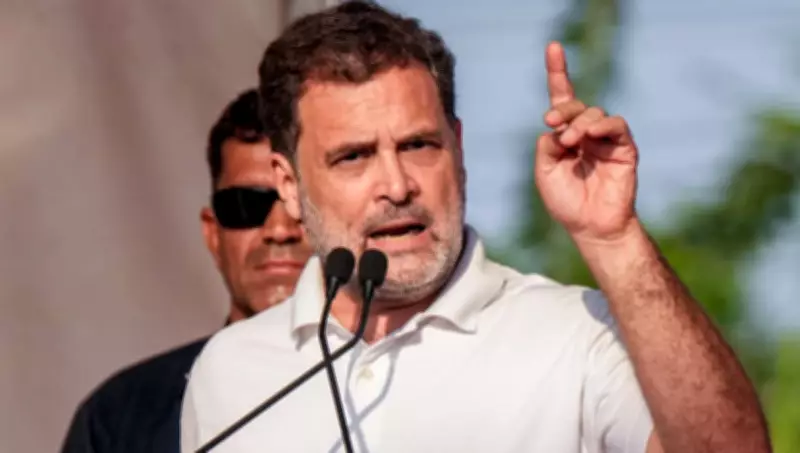
The Leader of Opposition (LOP) in the Lok Sabha, Rahul Gandhi, has strongly dissented against the selection process for the new Director of the Central Bureau of Investigation (CBI), calling the entire exercise biased and questioning the transparency of the procedure. During a meeting of the high-powered committee convened to select the next CBI chief, Gandhi made it clear that the LOP is not a rubber stamp and would not endorse a process that he believes is flawed.
Rahul Gandhi Raises Objections
According to sources, Rahul Gandhi raised several objections regarding the manner in which the selection was being conducted. He argued that the process lacked fairness and was tilted in favor of the government. The Congress leader emphasized that the LOP's role is to ensure checks and balances, and he would not be a mere spectator to what he termed a biased exercise.
Committee Meeting Details
The meeting was attended by Prime Minister Narendra Modi, Chief Justice of India (CJI) as per the norms, and other members. While the government side pushed for a candidate, Gandhi stood his ground, asserting that the selection must be above board and free from any executive influence. He pointed out that the CBI director's position is crucial for maintaining the integrity of investigations, and any compromise in the selection process could undermine public trust.

Government's Stance
The government, however, defended the selection process, stating that it followed all established protocols and legal provisions. Officials argued that the committee had the mandate to choose the best candidate based on merit and experience. Despite this, Rahul Gandhi remained unconvinced and formally recorded his dissent.
Political Reactions
The development has sparked a political slugfest, with the Congress party accusing the government of trying to subvert institutional independence. Party spokespersons hailed Rahul Gandhi's stand as a defense of democratic values. On the other hand, ruling party leaders criticized the opposition for creating hurdles in administrative appointments.
Implications for CBI
The CBI has been at the center of several high-profile cases, and the selection of its director is always a subject of intense scrutiny. With the LOP's dissent, the process may face delays or legal challenges. Experts believe that this could set a precedent for future appointments, where the opposition's voice might carry more weight.
Rahul Gandhi's firm stance reiterates his commitment to holding the government accountable and ensuring that key institutions remain independent. As the debate continues, all eyes are on the next steps in the CBI director selection process.