Rajya Sabha Elections in Haryana, Odisha, and Bihar: Independents Spark Fierce Battles
The upcoming Rajya Sabha elections in Haryana, Odisha, and Bihar are poised for intense contests, with extra candidates and independent entrants significantly altering the political landscape. These polls, scheduled for early March 2026, have drawn widespread attention due to the unexpected candidacies that threaten to disrupt traditional party strategies.
Haryana's Three-Way Fight for Two Seats
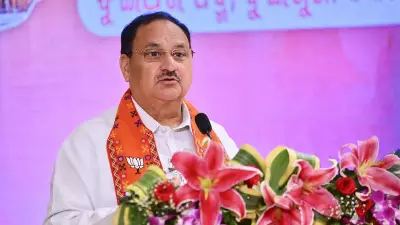
In Haryana, the election has become particularly intriguing with the entry of Satish Nandal, the state vice president of a major political party, who has filed nomination papers as an independent candidate. This development creates a three-way contest for the two available Rajya Sabha seats, injecting uncertainty into what was initially predicted to be a straightforward affair.
Satish Nandal's independent bid is seen as a strategic move that could split votes and force parties to recalibrate their campaigning efforts. Political analysts suggest this may reflect internal party dynamics or a broader shift towards independent politics in the state.

Odisha and Bihar: Additional Candidates Heighten Competition
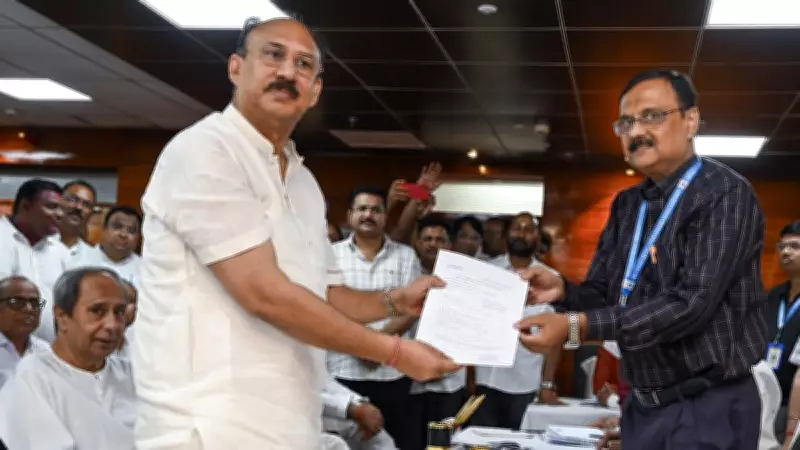
Similarly, in Odisha and Bihar, the presence of extra candidates beyond the expected number has set the stage for closely fought elections. In Odisha, multiple independents and minor party representatives have thrown their hats into the ring, challenging the dominance of established political forces.
Bihar's scenario mirrors this trend, with several independent candidates filing nominations, potentially leading to unpredictable outcomes. The increased competition in these states underscores the growing influence of non-aligned politicians in upper house elections.
Implications for National Politics
The Rajya Sabha elections in these three states carry significant implications for national politics, as the upper house plays a crucial role in legislative processes. The success of independent candidates could alter the balance of power and influence policy decisions at the central level.
Political observers note that these elections may serve as a barometer for public sentiment and party strength ahead of larger state and national polls. The intense contests highlight the evolving nature of India's democratic processes, where independents are increasingly challenging party monopolies.
Key Factors Driving the Contests
- Strategic independent entries: Candidates like Satish Nandal in Haryana are leveraging their party connections while operating independently.
- Vote-splitting dynamics: The presence of extra candidates could fragment votes, benefiting underdogs or causing surprises.
- State-specific issues: Local political climates in Odisha and Bihar are influencing candidate strategies and voter alignments.
- National ramifications: Outcomes will impact party compositions in the Rajya Sabha, affecting legislative agendas.
As the election date approaches, all eyes are on Haryana, Odisha, and Bihar, where the battles for Rajya Sabha seats promise to be fiercely contested. The involvement of independents and extra candidates has transformed these polls into critical tests of political maneuvering and public support.