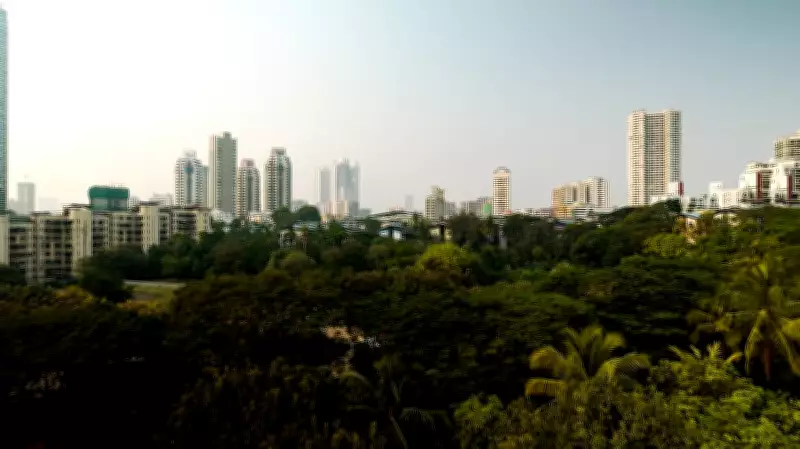
In a city where concrete often takes precedence over greenery, Mumbai's planners are increasingly being accused of destroying the urban canopy in the name of development. Officials routinely justify the felling of trees by claiming there is no space to plant new ones or by comparing the situation to Delhi, which they argue is worse. However, critics point out that these officials and their political bosses rarely face the consequences of their actions, as they do not live in the affected areas.
The Ongoing Conflict Between Roads and Trees
The battle between road expansion and tree conservation is not new in Mumbai. Over the years, thousands of trees have been cut to make way for flyovers, road widening, and other infrastructure projects. The Brihanmumbai Municipal Corporation (BMC) and other planning authorities often prioritize vehicular movement over environmental concerns, leading to a loss of green cover that is vital for the city's air quality and climate resilience.
Official Justifications and Public Outcry
Officials frequently use the lack of space as a convenient excuse. They argue that Mumbai's dense urban fabric leaves little room for tree planting, and that the city is still better off than Delhi, which has its own air pollution woes. However, environmental activists and citizens argue that such comparisons are misleading and ignore the unique ecological needs of Mumbai. The city's coastal location and high humidity make trees essential for temperature regulation and flood prevention.

The public outcry against tree cutting has grown louder in recent years, with protests and legal petitions forcing authorities to reconsider some projects. Yet, the pace of destruction remains high, and many feel that the system is stacked against conservation.
The Role of Political Will
At the heart of the issue is a lack of political will. Politicians and bureaucrats who make these decisions often reside in leafy suburbs or gated communities, insulated from the heat and pollution that result from deforestation. They do not have to breathe the dust from construction sites or suffer the loss of shade along their daily commute. This disconnect allows them to dismiss concerns with platitudes about progress and development.
Experts argue that sustainable urban planning is possible if authorities adopt a more balanced approach. This includes conducting proper environmental impact assessments, mandating compensatory tree planting in the same area, and involving citizens in decision-making. However, without accountability, such measures remain on paper.
Conclusion
Mumbai's planners are at a crossroads. They can continue down the path of destruction, prioritizing roads over trees, or they can embrace a vision that values both mobility and greenery. The choice will determine not just the city's skyline, but the health and well-being of its 20 million residents. Until officials are forced to face the brunt of their decisions, the trees will keep falling, and Mumbai will lose its soul.