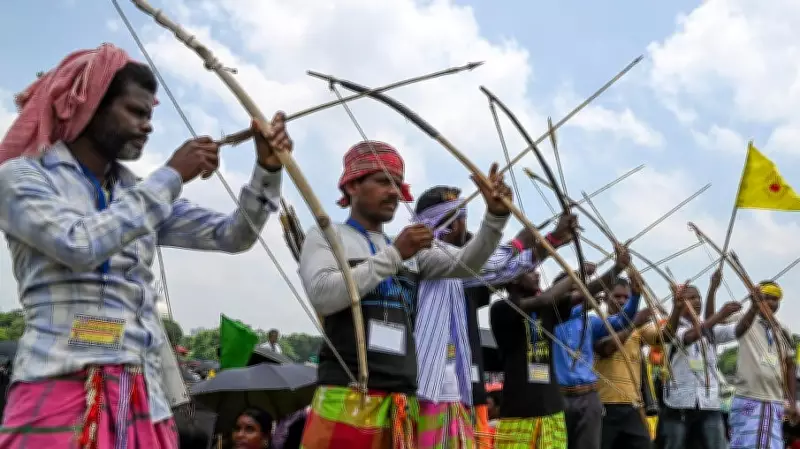
The ongoing debate between Sarna and Sanatan identities among tribal communities in India has brought to the forefront complex issues of cultural recognition, religious freedom, and political representation. At the heart of this controversy is the demand by many Adivasi groups to be officially classified as followers of Sarna, an indigenous faith that predates Hinduism, rather than being subsumed under the broad umbrella of Sanatan Dharma.
The Roots of the Sarna Identity
Sarna is a term used to describe the traditional religious practices of various tribal communities in central and eastern India, particularly in states like Jharkhand, Odisha, West Bengal, and Chhattisgarh. Followers of Sarna worship nature, including trees, rivers, mountains, and the sun, and they do not adhere to the caste hierarchy or many of the rituals associated with mainstream Hinduism. For decades, tribal leaders have argued that classifying them as Hindus in census data erases their distinct cultural identity and denies them the benefits of affirmative action policies meant for religious minorities.
Political and Legal Dimensions
The demand for a separate Sarna religious code gained momentum in 2021 when the Jharkhand Assembly passed a resolution urging the central government to recognize Sarna as a distinct religion. However, the Union government has been reluctant, citing concerns that such recognition could lead to further fragmentation of the Hindu fold and complicate the already contentious issue of tribal land rights. Critics argue that the push for Sarna identity is politically motivated, aimed at consolidating the tribal vote bank, especially in states like Jharkhand where tribal communities constitute a significant portion of the population.

Sanatan Dharma and Its Critics
On the other side of the debate, proponents of Sanatan Dharma—a term that literally means eternal religion and is often used synonymously with Hinduism—contend that tribal traditions are inherently part of the broader Hindu culture. They point to shared rituals, festivals, and deities, as well as the historical integration of tribal communities into the Hindu social order. However, many Adivasi activists reject this assimilation, arguing that it has led to the erosion of their unique languages, customs, and autonomous governance structures.
The Way Forward
The resolution of this identity contestation requires a nuanced approach that respects the autonomy of tribal communities while acknowledging the fluidity of religious boundaries. Some scholars suggest that the state should consider granting Sarna followers the status of a separate ethnic or religious minority without necessarily creating a new census category. Others advocate for a more inclusive definition of Hinduism that can accommodate diverse traditions without subsuming them. Ultimately, the outcome of this debate will have profound implications for the political landscape of tribal regions and the future of India's secular fabric.