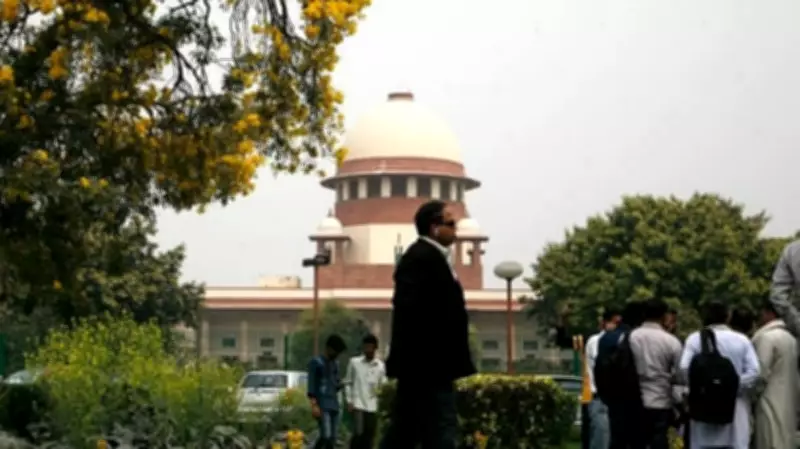
The Supreme Court has ruled that the removal of a Mathadhipati, or head of a religious mutt, must strictly adhere to the principles of natural justice. The court emphasized that the constitutional guarantee of fairness under Article 14 of the Constitution applies fully to such quasi-judicial proceedings.
Key Observations by the Supreme Court
In a landmark judgment, the apex court underscored that any decision to remove a Mathadhipati cannot be arbitrary. The principles of natural justice, including the right to be heard and a fair opportunity to defend oneself, are non-negotiable. The court stated that these safeguards are essential to uphold the rule of law and prevent misuse of power.
Application of Article 14
The court highlighted that Article 14, which guarantees equality before the law and equal protection of laws, extends to all actions of the state, including those involving religious institutions. Quasi-judicial bodies handling such matters must ensure transparency and impartiality.

The ruling came in response to a petition challenging the removal of a Mathadhipati without proper inquiry. The court set aside the removal order and directed the authorities to follow due process.
Implications for Religious Institutions
This judgment sets a precedent for the governance of religious mutts across India. It reinforces that religious heads cannot be ousted arbitrarily and that their rights are protected under constitutional law. Legal experts believe this will bring greater accountability to the administration of religious trusts.
The Supreme Court's decision underscores the balance between religious autonomy and constitutional mandates. It ensures that even in matters of faith, the principles of justice and fairness prevail.