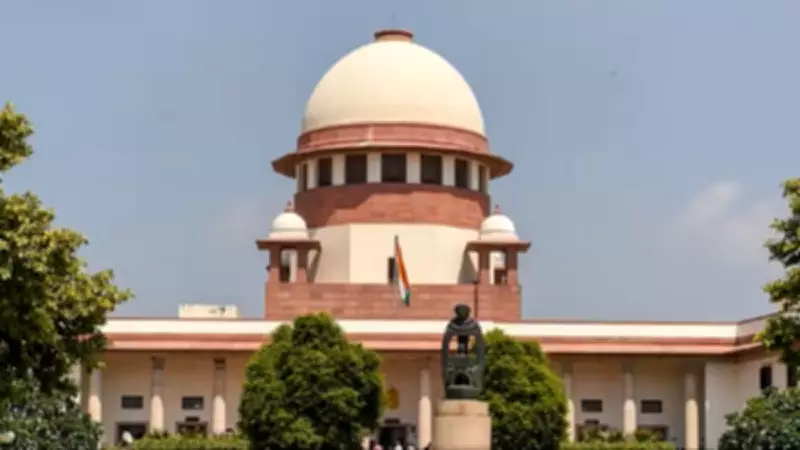
The Supreme Court of India has intervened to address the persistent issue of delays in bail hearings, directing all High Courts across the country to establish clear and fixed timelines for processing bail applications. This landmark order aims to streamline the judicial process and ensure that the fundamental right to liberty is not unduly curtailed by procedural delays.
Key Directives from the Supreme Court
In its order, the Supreme Court emphasized that the delay in deciding bail applications undermines the very essence of the right to a speedy trial and personal liberty. The Court directed each High Court to formulate a standard operating procedure (SOP) within four weeks, specifying the maximum time within which bail applications must be listed and decided.
Timeframe for Bail Hearings
According to the directive, bail applications should ideally be heard and disposed of within two weeks of filing. In cases where this is not possible, the High Courts must provide specific reasons for the delay and set a revised timeline. The Supreme Court also mandated that lower courts adhere to similar timelines for bail matters.

Monitoring and Compliance
The Supreme Court has asked the Registrar Generals of all High Courts to submit compliance reports within six weeks. These reports should detail the timelines adopted and the measures taken to ensure adherence. The Court warned that non-compliance may result in contempt proceedings.
Background and Rationale
The order came in response to a public interest litigation highlighting the plight of undertrial prisoners languishing in jails due to delayed bail hearings. The petitioner argued that such delays violate Article 21 of the Constitution, which guarantees the right to life and personal liberty. The Supreme Court agreed, noting that bail is the rule and jail is the exception.
Impact on Undertrial Prisoners
According to recent data, nearly 70% of India's prison population comprises undertrials, many of whom have been incarcerated for months or even years without their bail applications being decided. The new timelines are expected to significantly reduce this number and ease overcrowding in jails.
Reactions and Next Steps
Legal experts have welcomed the Supreme Court's intervention, calling it a proactive step towards judicial reform. The Bar Council of India has also pledged its support in ensuring compliance. The High Courts are now expected to act swiftly to implement the timelines and improve the efficiency of the bail process.
This development marks a significant milestone in India's criminal justice system, reinforcing the principle that justice delayed is justice denied. The focus on clear timelines is likely to set a precedent for other judicial processes as well.