Supreme Court Declines to Hear Petition on West Bengal Voter List Controversy
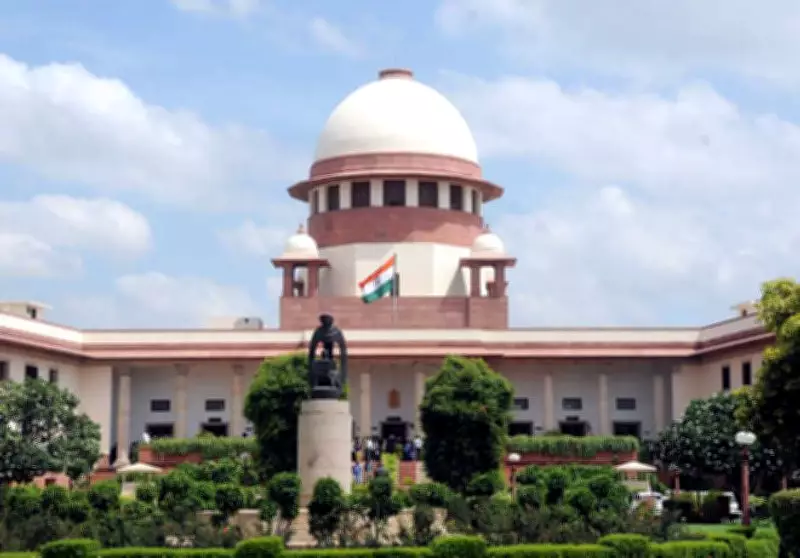
The Supreme Court of India has made a significant ruling by refusing to entertain a petition that challenged the deletion of names from voter lists in the state of West Bengal. This decision underscores the court's stance on jurisdictional boundaries and procedural adherence in electoral matters.
Details of the Petition and Court's Response
The petition was filed by individuals or groups alleging that numerous names had been improperly removed from voter lists in West Bengal, potentially affecting electoral integrity. However, the Supreme Court, led by a bench of justices, declined to take up the case. The court cited that such issues typically fall under the purview of the Election Commission of India and state election authorities, emphasizing that it should be addressed through established administrative and legal channels rather than direct judicial intervention at this level.
In its order, the Supreme Court highlighted the importance of following due process, including filing complaints with the relevant election bodies and exhausting available remedies before approaching the higher judiciary. This move aims to prevent the court from being inundated with cases that can be resolved at lower levels, thereby streamlining the judicial process and upholding the principle of separation of powers.

Implications for West Bengal's Electoral Landscape
West Bengal has been a focal point of political activity, with frequent allegations of voter list manipulations and electoral malpractices. The deletion of names from voter lists is a contentious issue, as it can disenfranchise eligible voters and impact election outcomes. By refusing to entertain the petition, the Supreme Court has effectively reinforced the authority of the Election Commission to oversee such matters, while also signaling that petitioners must adhere to procedural norms.
This decision may lead to increased scrutiny of voter list maintenance in West Bengal, with stakeholders likely to turn to the Election Commission for redressal. It also serves as a reminder of the critical role of electoral rolls in ensuring free and fair elections, particularly in states with intense political competition.
Broader Context and Legal Precedents
The Supreme Court's refusal aligns with previous rulings where it has emphasized the autonomy of election authorities in managing voter lists and electoral processes. Indian law, under the Representation of the People Act, 1950, grants the Election Commission extensive powers to prepare and revise electoral rolls, with provisions for appeals and corrections at designated levels.
Legal experts note that while the Supreme Court can intervene in cases of gross violations or constitutional breaches, it generally avoids micromanaging electoral administration. This approach helps maintain the integrity of the electoral system by empowering specialized bodies like the Election Commission to handle routine disputes.
In summary, the Supreme Court's decision to not entertain the petition on West Bengal voter list deletions reflects a broader judicial philosophy of respecting institutional roles and promoting procedural discipline in electoral governance.