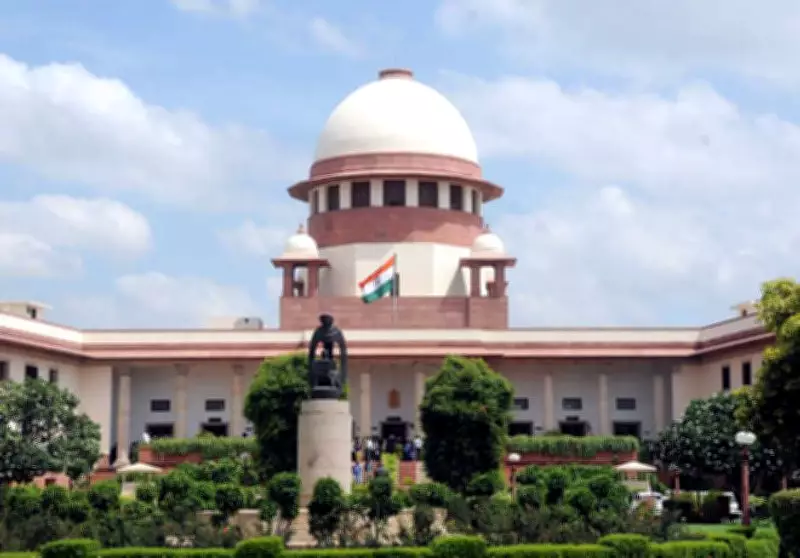
The Supreme Court has strongly criticized the Maharashtra Government for opposing bail applications of accused persons while failing to address systemic delays in criminal trials. A Bench of Justice A Amanullah and Justice Sheel Nagu warned the state that it would be "exposed" in public if it did not take steps to ensure timely completion of trials.
Court's Warning to Maharashtra
"Every day, we get cases of this nature from Maharashtra. You oppose bail tooth and nail, but do not take steps to expedite the trial. When we examine the case, the evidence is weak. We will expose you (the state) in public," the Bench said.
The court was hearing the bail plea of Kelvin Chindozie Okoro, a foreign national who has been in jail since May 2020 under the Indian Penal Code, Foreigners Act, and Passport Act. The Bench noted that the state vigorously opposed bail but failed to conduct the trial without undue delay.

Only Two Witnesses Examined in Over Four Years
The court declined to grant bail on merits but expressed deep concern that only two out of forty-five prosecution witnesses had been examined in more than four years. This inordinate delay violated the accused's personal liberty, the Bench observed.
According to the Supreme Court, the state's obligation to ensure a speedy trial was being neglected. The court directed the Maharashtra Government to file a comprehensive affidavit by July 24, outlining a clear policy framework to prevent institutional lapses.
Affidavit and Policy Framework Ordered
"In the said affidavit, the State will come up with a specific policy of how it proposes to deal with the situation so that the accused is not deprived of his liberty for reasons beyond his control and only because of the lapse of the prosecution," the Bench ordered.
In a similar case from Punjab, the top court had issued notice to the state and imposed a cost of Rs 50,000 on the police. The Bench directed the matter to be listed with the Punjab case on July 24, when it will consider issuing comprehensive, pan-India directions on this issue.
Impact on Justice System
The court's strict stance highlights the growing concern over delayed trials and the violation of personal liberty. The Supreme Court's potential pan-India directions could lead to significant reforms in how states handle bail and trial timelines.