

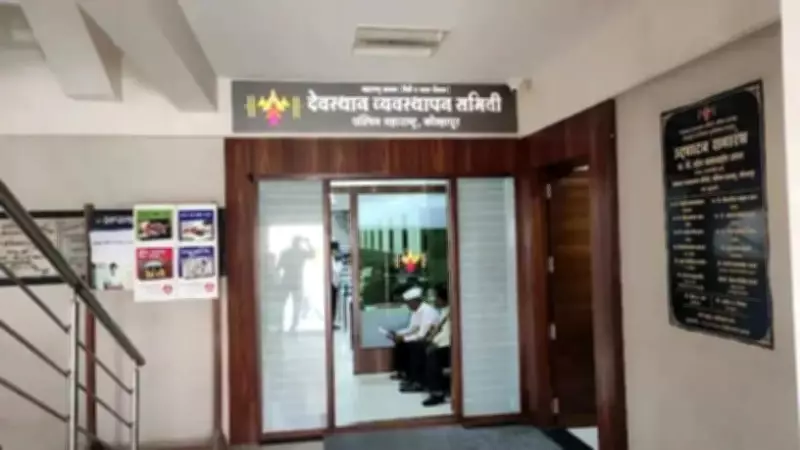
Kolhapur: The Maharashtra Mandir Mahasangh, a federation of temples in the state, has voiced strong opposition to the proposed Maharashtra Devasthan Inams Abolition Act of 2026. The federation argues that the legislation will curtail the autonomy of temples and strip them of their primary source of revenue.
Federation's Concerns
During a press conference held in Kolhapur on Friday, office bearers of the federation highlighted serious flaws in the proposed law. They asserted that the act directly undermines the religious and property rights of the community. The federation has demanded that the state government withdraw the draft.
The state government has decided to grant ownership rights to occupants of land currently owned by temple trusts. There are over 4 lakh hectares of land belonging to temple trusts across Maharashtra. State Revenue Minister Chandrashekhar Bawankule recently clarified that the proposed act does not involve the confiscation of devasthan lands.

Historical Context
Prasad Kulkarni, Kolhapur district convenor of the Mandir Mahasangh, elaborated on the historical significance of these lands. "Before India gained Independence, from the time of Chhatrapati Shivaji Maharaj, many kings gifted lands to temples as 'inam' for performing rituals, conservation, and upholding traditions. The ownership of this land rests solely with the deity. However, sections 3 and 4 of the proposed law abolish this 'inam' and transfer ownership to the vahivatdar or pujari (priest). We believe this will lead to the commercialization of properties and temples will lose their autonomy," he said.
Demands of the Federation
The forum has demanded that the state government extend the deadline for submitting suggestions and objections to the proposal by an additional month. This extension would allow people to thoroughly read and understand the proposed law and respond accordingly. Furthermore, they urged the government to implement a law similar to the one passed by the Gujarat government against land grabbing, which would help preserve the inam lands.






