Chandigarh MP Manish Tewari Calls for Direct Election of Mayor with Five-Year Term
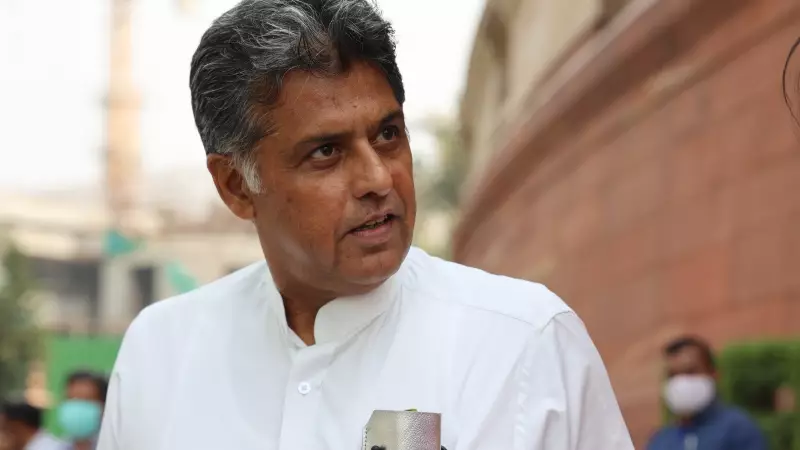
As Chandigarh prepares to elect its Mayor, Senior Deputy Mayor, and Deputy Mayor on Wednesday, Member of Parliament Manish Tewari has proposed a significant restructuring of the city's civic governance framework. The Congress leader is advocating for the direct election of the Mayor by Chandigarh's electorate for a fixed five-year tenure, arguing that the current one-year term has severely weakened municipal administration.
Structural Problems in Municipal Governance
In a detailed statement, Tewari highlighted that Chandigarh has witnessed approximately 30 Mayors, 30 Senior Deputy Mayors, and 30 Deputy Mayors since 1996. This translates to an astonishing 90 office-bearers in less than three decades, creating what he describes as a revolving door of leadership that prevents effective governance.
The short one-year tenure has rendered these positions largely ineffective, Tewari asserted, pointing out that the Municipal Corporation continues to grapple with persistent structural challenges. Among these issues is a chronic resource crunch that hampers development projects and service delivery to residents.

Proposed Solution: Direct Elections with Executive Powers
Tewari contends that the existing system has failed to provide stable and accountable civic leadership. He proposes that the only viable solution is to implement direct elections for the Mayor and deputies, coupled with a five-year term and commensurate executive powers.
This would enable them to discharge their responsibilities meaningfully, the MP explained, emphasizing that without proper authority and tenure, mayoral positions remain largely symbolic. Office-bearers under the current structure are often confined to ceremonial roles rather than effective civic leadership, according to Tewari's assessment.
Legislative Efforts and Political Consensus
The Congress MP revealed that he has already taken legislative action to advance this proposal. On December 5, 2025, Tewari introduced a Private Member's Bill in the Lok Sabha seeking a five-year term for Chandigarh's Mayor, Senior Deputy Mayor, and Deputy Mayor, along with consequential powers linked to their offices.
Urging political parties to rise above partisan considerations, Tewari stressed the need for broad consensus to strengthen local self-governance in the Union Territory. He announced plans to explore all available options during the ongoing Budget session of Parliament to push the initiative forward.
The Path Forward for Chandigarh's Governance
Tewari's proposal represents a fundamental shift in how Chandigarh's civic leadership would be selected and empowered. The direct election model would:
- Provide greater accountability to voters
- Enable longer-term planning and implementation
- Reduce administrative instability
- Strengthen the Mayor's executive authority
If the current structure continues unchanged, Tewari warned that mayoral elections will remain largely symbolic exercises without substantive impact on the city's governance. His intervention comes at a critical juncture as Chandigarh prepares for another round of municipal elections, potentially setting the stage for significant reforms in the Union Territory's administrative framework.