

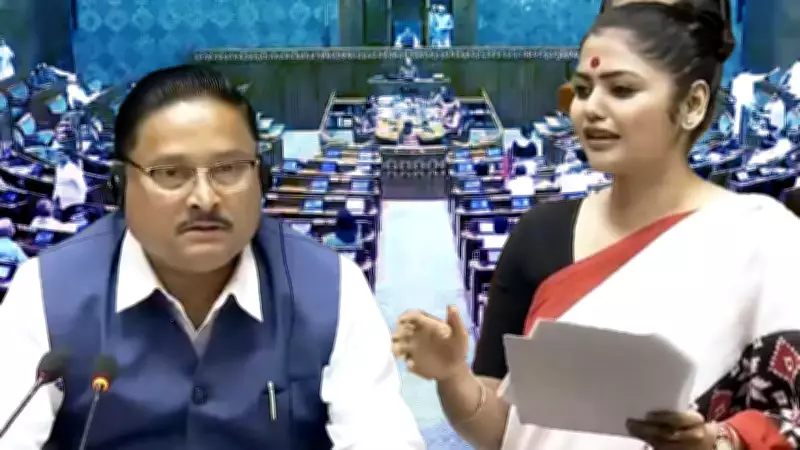
TMC MP Sayani Ghosh Launches Scathing Attack on Modi Government During Speaker Trust Motion
The Lok Sabha witnessed intense and fiery exchanges on March 11, 2026, as opposition leaders clashed with the ruling Bharatiya Janata Party during a critical debate on a no-confidence motion against Speaker Om Birla. The parliamentary session, which extended late into the evening, became a battleground over allegations of bias and the erosion of democratic norms within the House.
Ghosh's Sharp Critique: 'Parliament Is Not a Party Office'
Trinamool Congress MP Sayani Ghosh delivered a powerful and pointed address, directly targeting the Narendra Modi-led government. In her speech, Ghosh accused the ruling dispensation of systematically suppressing the voice of the opposition, thereby undermining the foundational principles of parliamentary democracy.
"Do not turn Parliament into a party office," Ghosh warned emphatically, highlighting her concern that the institution was increasingly being used as a platform for political messaging rather than substantive policy debate. She argued that this shift threatens the core function of Parliament as a forum for deliberation, scrutiny, and consensus-building.

Opposition Unity: Rahul Gandhi Echoes Concerns Over Speaking Rights
Congress leader Rahul Gandhi reinforced Ghosh's allegations by raising specific instances where opposition MPs were allegedly prevented from speaking or expressing their views freely. Gandhi's intervention added weight to the opposition's collective grievance, painting a picture of a House where dissenting voices are being stifled.
The remarks from Ghosh and Gandhi triggered a significant political face-off, with BJP members defending the Speaker's conduct and the government's approach. This exchange intensified the ongoing debate about the political neutrality of the Speaker's office and the overall functioning of Parliament under the current administration.
Broader Implications for Parliamentary Democracy
The no-confidence motion against Speaker Om Birla, though procedural, has brought to the forefront deeper issues concerning institutional integrity and democratic accountability. Opposition leaders contend that the Speaker's alleged bias towards the ruling party compromises the fairness of parliamentary proceedings.
This incident underscores a growing tension between the government and opposition blocs, with implications for how legislative business is conducted. The debate has sparked discussions on whether Parliament can maintain its role as a neutral arena for debate or if it is becoming increasingly politicized.
As the session concluded, the political ramifications of these accusations remained unresolved, setting the stage for further confrontations in the coming days. The event highlights the critical need for upholding parliamentary traditions and ensuring that all voices, especially those in opposition, are heard and respected in India's democratic framework.






