

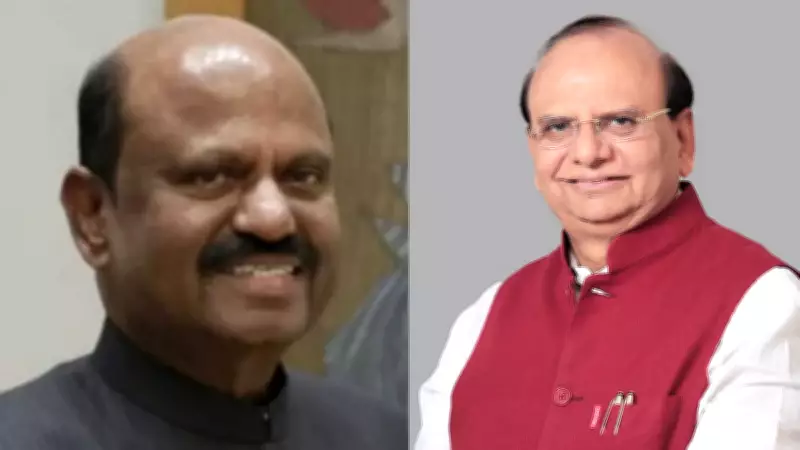
Major Administrative Reshuffle in India: Key Appointments and Transfers
In a significant development in India's administrative landscape, a major reshuffle has been announced involving several high-profile positions. This move, effective as of March 5, 2026, impacts key states and union territories, signaling strategic changes in governance.
West Bengal Governor CV Ananda Bose Resigns
The reshuffle begins with the resignation of CV Ananda Bose from his position as the Governor of West Bengal. Bose, who had been serving in this role, stepped down, creating a vacancy that is expected to be filled soon as part of ongoing administrative adjustments. His resignation marks a notable shift in the political dynamics of the state, though the specific reasons for his departure have not been disclosed in official statements.
Delhi Lieutenant Governor VK Saxena Transferred to Ladakh
In a key transfer, VK Saxena, the Lieutenant Governor of Delhi, has been reassigned to the union territory of Ladakh. Saxena, who has been overseeing the administration of Delhi, will now take on the responsibilities in Ladakh, a region of strategic importance. This move is seen as part of efforts to strengthen governance in Ladakh, which has been a focus area for development and integration initiatives.

Kavinder Gupta Moved to Himachal Pradesh as Governor
Simultaneously, Kavinder Gupta, who was serving as the Lieutenant Governor of Ladakh, has been transferred to Himachal Pradesh, where he will assume the role of Governor. Gupta's appointment to Himachal Pradesh is aimed at bringing his administrative experience to the hill state, which faces unique challenges related to infrastructure and tourism.
Full List of Transfers and Implications
The reshuffle includes the following key appointments:
- CV Ananda Bose: Resigned as Governor of West Bengal.
- VK Saxena: Transferred from Delhi Lieutenant Governor to Lieutenant Governor of Ladakh.
- Kavinder Gupta: Transferred from Ladakh Lieutenant Governor to Governor of Himachal Pradesh.
This administrative overhaul is expected to have wide-ranging implications for governance in the affected regions. It reflects the central government's strategy to optimize leadership placements based on regional needs and expertise. Observers note that such reshuffles are common in Indian bureaucracy to ensure effective administration and address emerging challenges.
The announcements were made on March 5, 2026, with official notifications expected to follow soon. As these changes take effect, stakeholders will be closely monitoring the impact on policy implementation and regional development initiatives.






