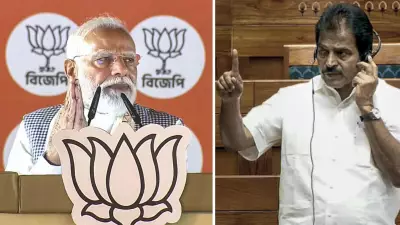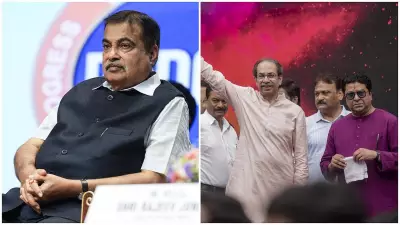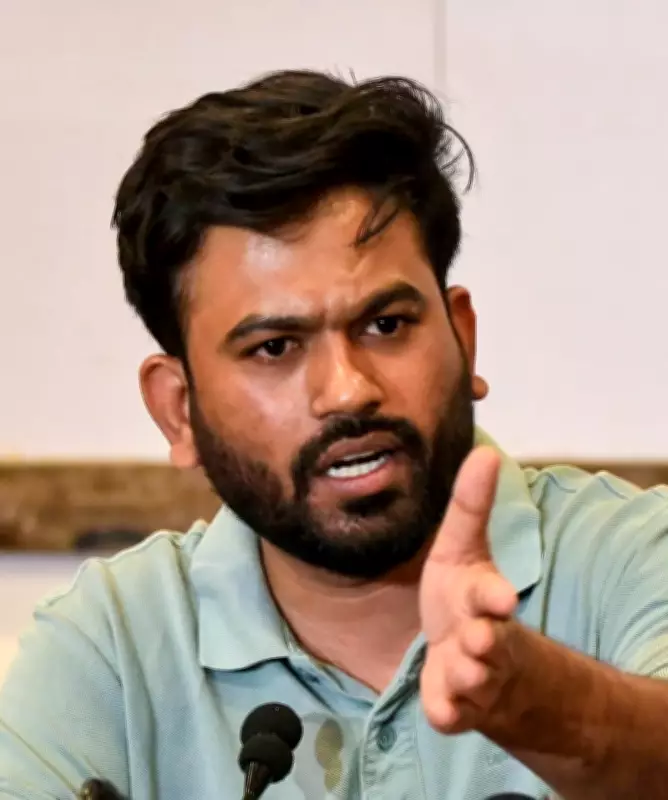
The Cockroach Janata Party (CJP) movement, led by Abhijeet Dipke, has achieved a significant victory by compelling the resignation of Education Minister Dharmendra Pradhan. This success has sparked debate over whether the movement will remain apolitical or transition into a formal political entity, reminiscent of Arvind Kejriwal's evolution from the Anna Hazare anti-corruption campaign.
Parallels with the 2011 Anti-Corruption Movement
From its inception, the CJP has drawn comparisons with the 2011 India Against Corruption movement, which catapulted Kejriwal into politics. Just as the Congress-led UPA government formed a joint committee with activists to draft the Jan Lokpal Bill amid Hazare's hunger strike, the Modi-led NDA appointed two interlocutors—ministers JP Nadda and Jitendra Singh—to negotiate with the CJP over demands regarding the NEET UG paper leak and accountability. This occurred against the backdrop of a fast by Sonam Wangchuk. The images of Nadda and Singh shaking hands with CJP representatives Saurav Das and Ashutosh Ranka mirrored the 2011 scenes of Pranab Mukherjee, P Chidambaram, and Kapil Sibal in talks with Prashant Bhushan and Kejriwal.
While the earlier movement led to the formation of the Aam Aadmi Party in 2013 and the eventual change of government at the Centre in 2014, the CJP's trajectory remains uncertain. Early indications suggest that Dipke and his team are committed to focusing on youth issues and avoiding political entanglements.

Apolitical Approach Key to Success
According to reliable sources from The Tribune, Dipke and his colleagues declined meetings with several prominent politicians who reached out after the Jantar Mantar protests gained momentum. Many protesters at the site also questioned AAP's Punjab in-charge Manish Sisodia over an alleged paper leak in the state. The CJP largely refrained from allowing politicians to use its platform for personal gains, even as insiders noted that most parties were keen to share the fruits of the protest's success without contributing to its 36-day mobilization.
The movement's apolitical and amorphous nature has been credited as a major factor in its success. It has no hierarchies, leadership verticals, or rigid protocols. It remained organic and unorganized, allowing anyone with a grievance against the government to join and express frustration. This fluid outpouring of angst caught the government and security establishment off guard on July 20, when police action against protesters escalated, forcing a change in the prime minister's approach.
Will Diphe Become Another Kejriwal?
Distance from politics delivered the CJP its first major victory. The question now is whether it can resist the temptation to enter politics, and for how long. After the success of Anna Hazare's civil society movement, many of his associates, including Kejriwal and Kiran Bedi, joined active politics. Will Dipke end up being another Kejriwal? Only time will tell. For now, all CJP leaders have made a tactical retreat, saying they need time to rest.
While they regroup, both the government and opposition have their hands full. The Congress party must be concerned that its failure to articulate national anxieties has allowed an alternate force to achieve what it could not: forcing the resignation of an NDA minister. PM Modi had not yielded to opposition pressure to sack several senior ministers, including late Sushma Swaraj (over an alleged conflict of interest), Ajay Mishra (whose son faces trial for the killing of four farmers), Smriti Irani (over educational degree controversies), and Hardeep Singh Puri (for alleged exchanges with deceased sex offender Jeffrey Epstein).
Impact on Political Landscape
Pradhan's resignation due to student pressure has dented PM Modi's carefully crafted image of unquestioned authority. The PM has resorted to Instagram reels and video selfies to engage a generation that communicates in a new idiom. As the Jantar Mantar protests culminate, both sides of the political spectrum are consumed with the challenge of recovering narratives and perceptions. All in all, this is Indian democracy in full action.