

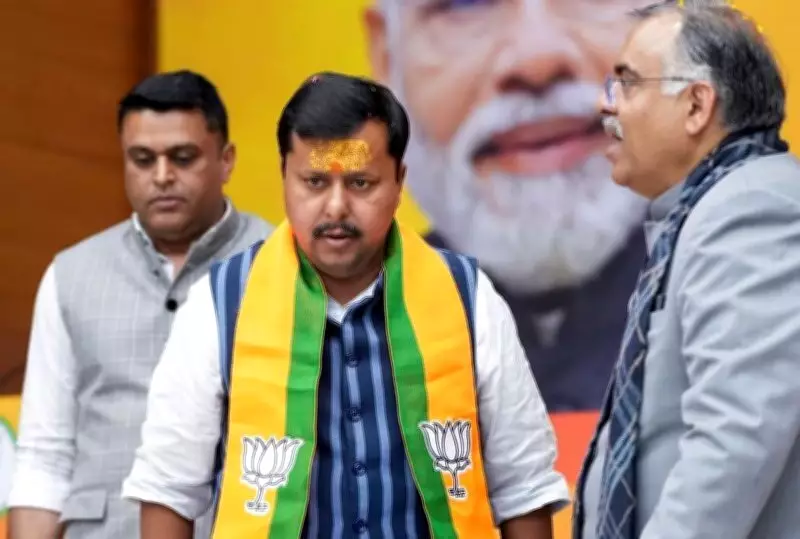
Bharatiya Janata Party (BJP) national president Nitin Nabin has indicated that the possibility of an alliance with the Shiromani Akali Dal (SAD) or any other Akali faction in Punjab remains open, stating that a final decision will be made closer to the elections. Speaking at a media conclave in Jalandhar during his recent visit to the state, Nabin addressed queries about the party's electoral strategy in Punjab.
Current Strategy: Strengthening BJP's Own Organisation
Nabin emphasised that for now, the BJP's priority is to bolster its organisational presence in every assembly segment of Punjab. "Right now, we are moving in that direction. When the election draws near, we will make an assessment and decide. Today we are neither in favour of the alliance nor against it," he said. The BJP chief reiterated that the party wants to proceed on its own strength at present, with a focus on grassroots outreach and issue-based campaigning.
Six-Month Assessment Period
Nabin outlined a clear timeline for revisiting the alliance question. "We want to move forward on our own; we will make another assessment after 6 months and then decide," he stated. He added that the BJP will spend the next half-year building a strong footing across all segments, raising key issues, and engaging directly with the electorate. "As far as the alliance goes, there's a lot of time for that," he noted.

Open to Future Alliance
When pressed on whether the BJP would ally with the Akali Dal, Nabin said, "Certain issues will be addressed when the time comes." He clarified that the party has not closed the door on any alliance, including with the Shiromani Akali Dal. "Whether to ally or not will be decided in future. We will see what message we get from the people. We will take the call after six months," he explained. This statement, as earlier reported by The Tribune, signals that the alliance chapter is not closed.
Organisational Revamp Under New State President
The BJP chief also highlighted that the party's Punjab unit will operate under its newly appointed state president for the next six months, executing a self-reliant strategy. The party aims to contest on its own strength initially, with the flexibility to reassess based on public sentiment and political developments. This approach marks a shift from previous electoral alliances, but leaves room for collaboration if deemed beneficial.






