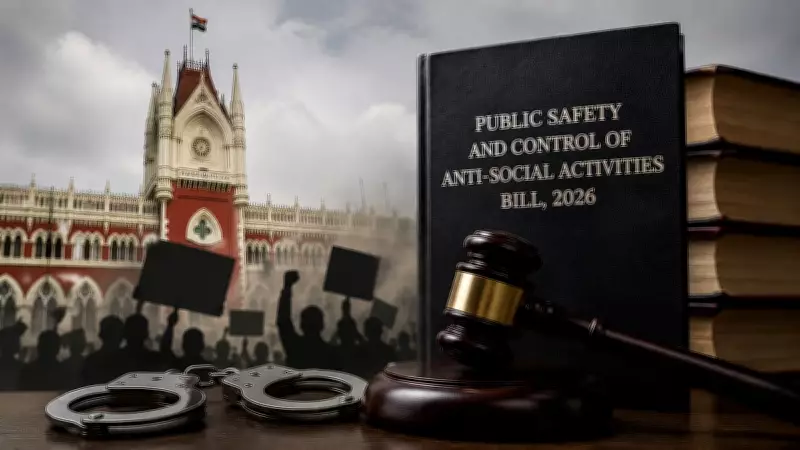
The Karnataka Prevention of Dangerous Activities of Goondas, Anti-social and Other Depredators Bill, 2026, passed by the state legislature, has drawn sharp criticism for its expansive definitions that could be used to target political opponents and dissenters. The Bill, which replaces a 1985 ordinance, broadens the scope of 'goonda' and 'anti-social activity' to include acts that cause 'public nuisance' or 'disturb public order,' raising alarm among civil liberties groups.
Broad Definitions and Potential Misuse
According to legal experts, the Bill's language is dangerously vague. The term 'anti-social activity' now encompasses a wide range of actions, from illegal gambling and bootlegging to activities that 'cause or are likely to cause harm, danger, or alarm to the public.' Critics argue that this could be interpreted to include peaceful protests or criticism of government policies. The Bill also empowers the police to detain individuals without trial for up to 12 months under preventive detention, a provision that many see as a throwback to colonial-era laws.
Government Justification
The state government, however, defends the Bill as a necessary tool to combat rising crime and maintain public order. Home Minister G. Parameshwara stated, 'This Bill is aimed at habitual offenders who terrorize law-abiding citizens. There are sufficient safeguards, including review by an advisory board, to prevent misuse.' He added that the previous law was outdated and needed to be strengthened to deal with modern criminal networks.

Historical Context and Judicial Precedent
India's history with preventive detention laws is fraught with controversy. The Supreme Court has repeatedly struck down overly broad provisions in similar laws, such as the Maharashtra Control of Organised Crime Act (MCOCA) and the Unlawful Activities (Prevention) Act (UAPA). In a 2023 judgment, the Court held that 'the right to dissent is the bedrock of democracy' and warned against using vague definitions to stifle opposition. Legal experts note that the Karnataka Bill may face similar constitutional challenges.
Political Reactions
The opposition Congress party has condemned the Bill as a weapon to silence dissent. Leader of the Opposition in the Assembly, R. Ashok, said, 'This is a draconian law that will be used to harass political workers and civil society activists. The government is trying to create a police state.' Meanwhile, the ruling BJP has accused the opposition of shielding criminals, with Chief Minister Basavaraj Bommai asserting, 'Those who have nothing to fear from the law should not be worried.'
Impact on Civil Liberties
Human rights organizations have expressed deep concern. The People's Union for Civil Liberties (PUCL) called the Bill 'a direct assault on fundamental rights.' In a statement, PUCL noted that the Bill's provisions for secret evidence and denial of bail to accused 'goondas' violate the principles of natural justice. They have urged the Governor to withhold assent and refer the Bill to the President for review.
As the Bill awaits the Governor's signature, the debate underscores the ongoing tension between state security and individual freedoms. The outcome will likely set a precedent for how states balance law enforcement with democratic accountability.