Bonded Labour Continues Despite Legal Prohibition
India's Bonded Labour System (Abolition) Act of 1976 outlawed the practice, yet bonded labour persists across multiple states. A recent investigation reveals that weak enforcement, corruption, and inadequate rehabilitation programs have rendered the ban largely ineffective. According to the 2011 census, over 300,000 bonded labourers were identified, but activists estimate the actual number exceeds 10 million.
Root Causes: Poverty and Lack of Awareness
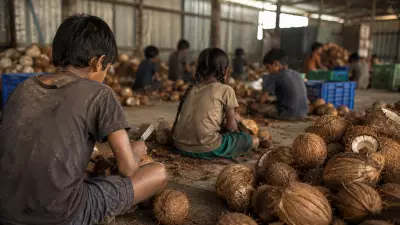
Bonded labour thrives in sectors like agriculture, brick kilns, and stone quarries. Victims are often from marginalized communities, trapped by debt and lack of alternatives. Many are unaware of their legal rights. A 2020 report by the International Labour Organization noted that 40% of bonded labourers in India are women and children.
Government Response and Shortcomings
The government has launched schemes like the National Rehabilitation Scheme, providing ₹20,000 per freed labourer. However, disbursement is slow, and many never receive aid. In 2021, only 1,200 cases were registered under the Bonded Labour Act, a fraction of the actual cases. The National Human Rights Commission has criticized states for failing to identify and rehabilitate victims.

Case Studies Highlight Systemic Failure
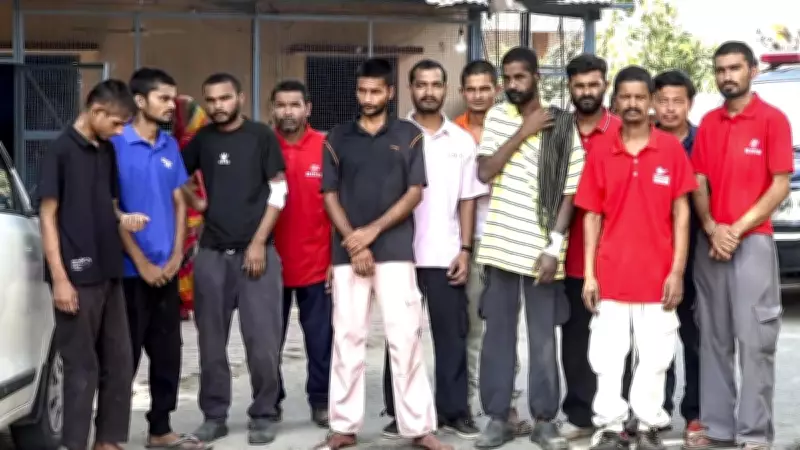
In Uttar Pradesh, a 2022 raid freed 150 bonded labourers from a brick kiln. They had been working for years to repay loans with 10% monthly interest. Despite rescue, most returned to the kiln due to lack of alternative livelihoods. Similar stories emerge from Tamil Nadu and Rajasthan, where inter-state migration masks exploitation.
Call for Stronger Enforcement and Social Support
Activists demand stricter penalties for employers, regular inspections, and effective rehabilitation. The Supreme Court in 2021 directed states to enforce the Act strictly, but implementation lags. As one activist stated, "The law is strong on paper, but the ground reality is that bonded labourers are invisible to the system." Until enforcement improves and social safety nets are strengthened, the ban will remain a paper tiger.