

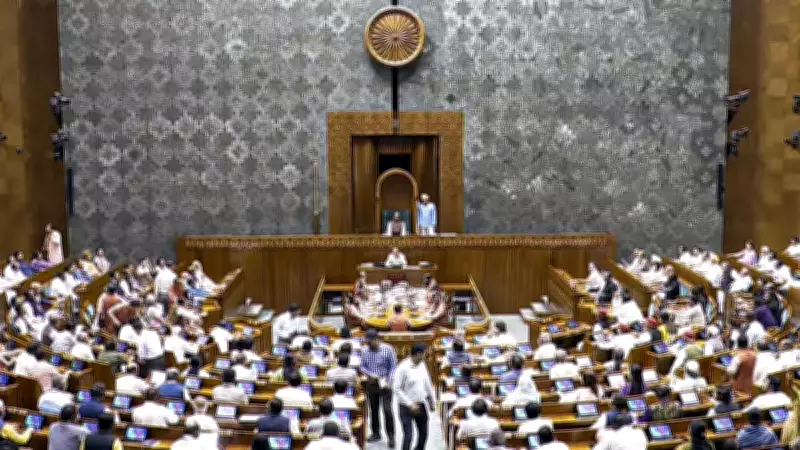
The debate over parliamentary privileges in India has resurfaced, with experts calling for their codification to prevent misuse and ensure accountability. Currently, these privileges are based on British-era conventions and Article 105 of the Constitution, leaving room for ambiguity and potential abuse.
What Are Parliamentary Privileges?
Parliamentary privileges are special rights and immunities enjoyed by legislators to ensure the independence and effectiveness of the legislature. These include freedom of speech in Parliament, immunity from legal action for statements made during proceedings, and the right to regulate internal affairs. However, the lack of a clear, codified framework has led to controversies, particularly when legislators claim privilege to avoid scrutiny.
According to constitutional expert Dr. Subhash Kashyap, "The current system relies on precedents from the British Parliament, which are not always suitable for India's context. Codification would bring clarity and prevent arbitrary use of privileges."

Calls for Reform
In recent years, several instances have highlighted the need for reform. For example, in 2020, a Member of Parliament was accused of misusing privilege to suppress a media report. Such cases have prompted lawmakers and civil society to demand a comprehensive code.
A parliamentary committee, in its 2023 report, recommended that privileges be defined in a statute to ensure transparency. The report stated, "Codification will help balance the rights of legislators with the fundamental rights of citizens, particularly the right to freedom of speech and expression."
Global Examples
Several democracies have successfully codified parliamentary privileges. In the United Kingdom, the Parliamentary Standards Act 2009 established clear rules. Similarly, Australia's Parliamentary Privileges Act 1987 provides a detailed framework. India can draw lessons from these models to create its own legislation.
Political analyst Dr. M. P. Singh notes, "Codification does not weaken Parliament; it strengthens it by ensuring that privileges are used for their intended purpose—to facilitate democratic debate, not to shield wrongdoing."
Challenges Ahead
Despite broad agreement on the need for codification, political consensus remains elusive. Some parties fear that codification could limit their ability to hold the executive accountable. Others argue that existing safeguards are sufficient.
However, proponents insist that the status quo is untenable. A 2022 survey by the Association for Democratic Reforms found that 78% of citizens believe parliamentary privileges should be clearly defined by law. This public sentiment underscores the urgency of reform.
As India's democracy matures, the codification of parliamentary privileges is not just a legal necessity but a democratic imperative. It would ensure that the legislature remains a robust forum for debate while respecting constitutional values and citizen rights.






