

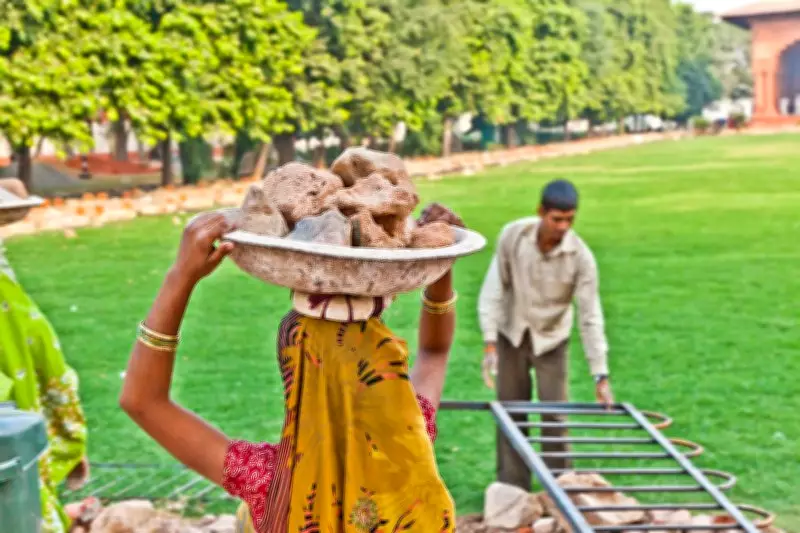
Rescue of 28 Soliga Tribals Exposes Ongoing Bonded Labour Crisis
The rescue of 28 Soliga tribals, including children, from a brick-kiln in Mysuru, Karnataka, has brought the grim reality of bonded labour in India back into focus. Despite being outlawed nearly five decades ago, the practice continues to trap vulnerable communities in cycles of debt and exploitation. The rescued individuals had been held through small advances, years of underpaid labour, and a mounting debt that effectively robbed them of their freedom.
Vulnerable Tribal Communities at Highest Risk
The Soliga tribe, a particularly vulnerable tribal group, exemplifies how poverty, illiteracy, landlessness, and lack of access to formal credit leave communities at the mercy of labour contractors. A modest advance meant to tide a family over difficult times quickly becomes an instrument of coercion. The Mysuru case is not isolated; similar rescues have been reported from Uttar Pradesh, Tamil Nadu, and other states in recent months, indicating a systemic problem.
High-Risk Industries Evade Scrutiny
Brick-kilns, construction sites, and small factories frequently rely on informal labour arrangements that evade scrutiny. The persistence of such practices exposes a serious gap between India's robust legal framework against bonded labour and its implementation on the ground. Rescue operations are essential, but the deeper challenge lies in ensuring rehabilitation, livelihood support, and access to social security so that vulnerable families are not forced back into the same conditions.

Need for Stricter Monitoring and Prosecution
Equally important is stricter monitoring of high-risk industries and swift prosecution of offenders. According to the editorial, unless employers who profit from bonded labour face meaningful consequences, the practice will continue in new forms. The freedom of rescued workers must not end with their release. For a nation committed to 'Sabka Saath, Sabka Vikas' and aspiring to become 'Viksit Bharat', the continued existence of debt bondage is a stark contradiction.
Inclusive Development Requires Protection of Vulnerable Citizens
Inclusive development must be judged by how effectively the most vulnerable citizens are protected from exploitation. The editorial underscores that rehabilitation and support for rescued bonded labourers are not optional but essential components of any credible anti-bonded labour strategy. Without addressing the root causes—poverty, landlessness, and lack of credit access—rescues will remain temporary fixes.






