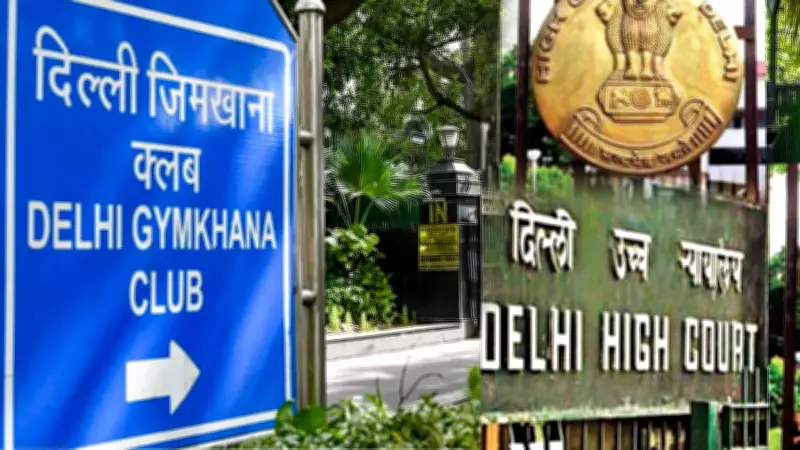
The Delhi High Court has declined to pass any interim order restraining the Centre from acting on its direction asking the Delhi Gymkhana Club to vacate its premises by June 5. During the hearing, the Solicitor General assured the court that any eviction process would be carried out strictly in accordance with law and only after prior notice to the club. Recording the assurance, the High Court said no interim protection was required at this stage.
The case relates to the Centre's directive to the Delhi Gymkhana Club amid an ongoing dispute linked to the club's premises and administration. The development has drawn attention due to the Gymkhana Club's prominence and its historical significance in the national capital. The matter is expected to see further legal proceedings in the coming days.
The Delhi Gymkhana Club, established in 1913, is one of the most prestigious clubs in India, known for its colonial-era architecture and elite membership. The dispute over its premises has been ongoing for several months, with the Centre citing administrative and legal reasons for the eviction notice. The club has contested the directive, arguing that it has been operating legally and that any eviction would disrupt its long-standing traditions and services.

During the hearing, the Solicitor General emphasized that the government would follow all legal protocols, including providing adequate notice and opportunity for the club to respond. The High Court's decision to not grant interim relief means the club must prepare for potential eviction while pursuing its case through legal channels. Legal experts suggest that the case could set a precedent for similar disputes involving historic institutions and government property rights.
As the June 5 deadline approaches, both parties are expected to engage in further negotiations or legal maneuvers. The club's members and supporters have expressed concern over the potential loss of a cultural landmark, while government officials maintain that the action is necessary for compliance with land-use regulations. The next hearing is scheduled for early June, where further arguments will be heard.