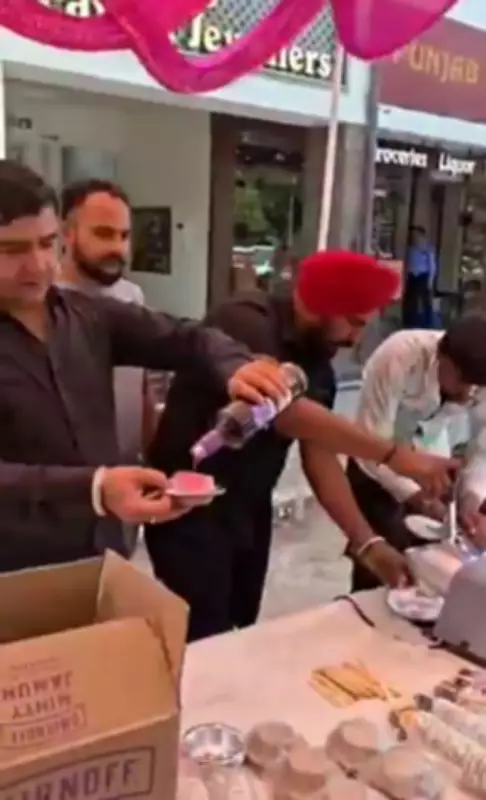
In an unusual turn of events, a 'liquor langar' offering free alcohol in cones has brought Chandigarh's excise regime under intense scrutiny. The initiative, which involved distributing free booze in edible cones, has sparked a debate on the legality and ethics of such practices.
What is a Liquor Langar?
The term 'langar' traditionally refers to a community kitchen in Sikhism where free meals are served. However, in this context, a 'liquor langar' refers to an event where free alcohol was distributed to the public. The alcohol was served in cones made of edible material, resembling ice cream cones, which added a novel twist to the distribution.
Legal Implications
The event has raised several legal questions. Under the Excise Act, distributing free alcohol without proper licensing is prohibited. The Punjab and Haryana High Court has taken suo motu cognizance of the matter, questioning how such an event was allowed to take place. The court has sought a response from the Chandigarh administration regarding the permissions granted for the event.

The excise department is now under pressure to explain how the liquor langar was organized without violating any laws. The incident has highlighted potential loopholes in the excise policy that could be exploited for commercial or promotional purposes.
Ethical Concerns
Beyond legal issues, the liquor langar raises ethical concerns. Critics argue that distributing free alcohol, especially in a public space, could encourage irresponsible drinking and pose health risks. The event also drew attention to the glamorization of alcohol consumption, particularly among the youth.
Social activists have called for stricter regulations on alcohol advertising and promotions. They point out that such events could undermine efforts to curb alcohol abuse and its associated social problems.
Government Response
The Chandigarh administration has stated that it is investigating the matter. Officials have confirmed that no permission was granted for the distribution of free liquor. The excise department is conducting an inquiry to identify the organizers and take appropriate action.
The incident has also prompted a review of the city's excise policy. There are discussions about tightening regulations to prevent similar events in the future. The government is considering imposing stricter penalties for violations related to unauthorized alcohol distribution.
Public Reaction
The public reaction has been mixed. Some see the liquor langar as a creative marketing gimmick, while others view it as a dangerous precedent. Social media has been abuzz with debates on the pros and cons of such initiatives.
Many residents have expressed concern over the ease with which free alcohol was made available. They worry that it could set a bad example and lead to increased alcohol consumption. Others, however, believe that responsible adults should have the freedom to consume alcohol if they choose.
Conclusion
The liquor langar incident has put Chandigarh's excise regime on trial. It has exposed gaps in the regulatory framework and sparked a necessary conversation about alcohol distribution and consumption. As the legal proceedings unfold, the outcome could have far-reaching implications for excise policies across the country.
Moving forward, it is essential to strike a balance between individual freedoms and public health concerns. The incident serves as a reminder that innovative marketing strategies should not come at the cost of legal and ethical standards.