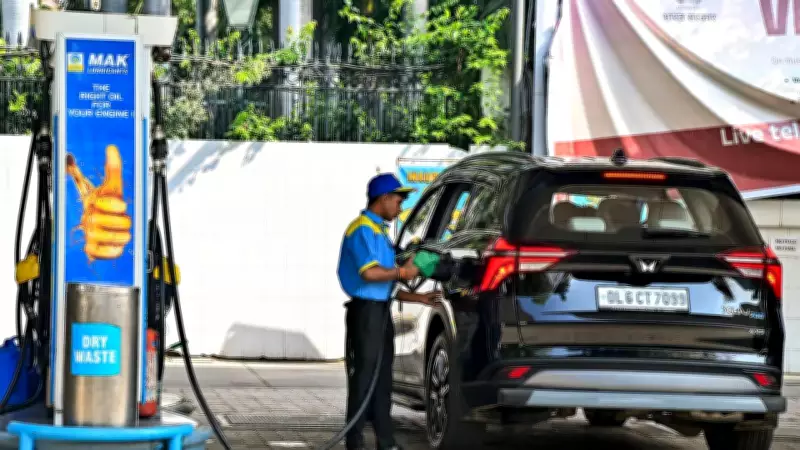
NEW DELHI: The recent increase in pump prices by approximately Rs 5 per litre only partially offsets the under-recovery faced by oil companies. These firms are still losing Rs 13 per litre on petrol and Rs 38 per litre on diesel, excluding taxes. This situation has intensified pressure on states to reduce value-added tax (VAT), which is as high as 30% in some states.
Centre's Excise Cut and Consumer Burden
While petroleum companies are incurring losses, the central government has already taken a hit by reducing excise duty. Meanwhile, consumers are paying more to bear part of the burden. However, this leaves states with the need to part with some of their revenue to ensure oil retailers have sufficient funds to meet investment requirements and remain operational.
“The consumers live in the states; the responsibility is not just with the Centre. The burden has to be split, even if it is not equally,” said an official.

State Tax Variations
States with the lowest VAT rates impose around 20% tax, while others exceed 30% due to layered taxes, per-litre additions, and infrastructure cesses. In the past, NDA-governed states have responded by lowering state levies, though some still maintain rates higher than the average. States like Tamil Nadu, Kerala, and West Bengal have among the highest pump prices due to state taxes. Telangana and Kerala currently have the highest pump prices.
Reluctance to Bring Fuel Under GST
Discussions have occurred in the past about bringing petrol and diesel under the Goods and Services Tax (GST) platform. However, states across party lines have resisted this transition for good reason. Apart from state excise on liquor, VAT on fuel is a major source of own tax revenue for states. Other prominent revenue avenues include registration of property and automobiles.
For states, a bulk of resources comes through a split of GST, in addition to receiving a 41% share of all central taxes, including central GST, income tax, and customs. However, they complain about the cesses and surcharges levied by the Centre, which remain with the central government.
Conclusion
The burden of high fuel prices and under-recoveries for oil companies necessitates a collaborative approach between the Centre and states. While the Centre has reduced excise, states are under pressure to cut VAT to ease the consumer burden and ensure the financial health of oil retailers. The resistance to bringing fuel under GST reflects the importance of VAT as a revenue source for states.