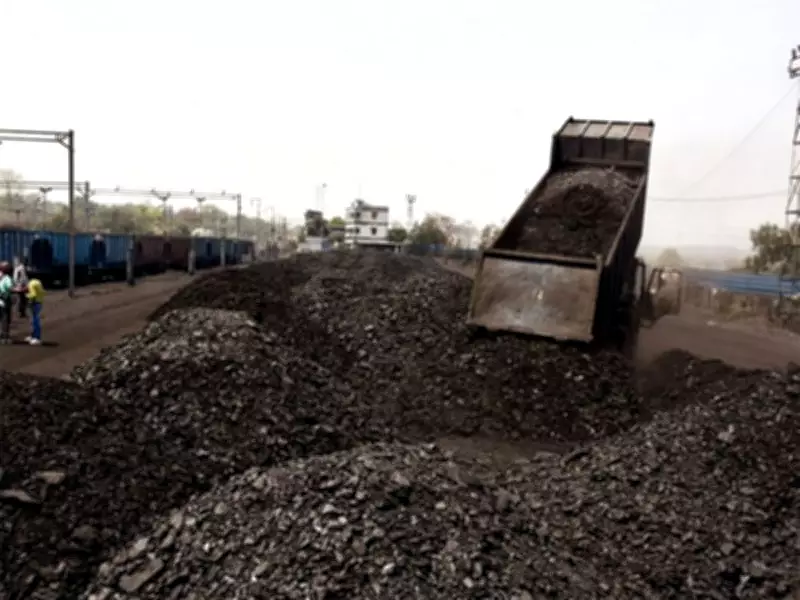
Coal's Dominance in India's Energy Mix
Coal contributes around 70 per cent of electricity generation in India and 55 per cent of primary electricity supply. The coal value chain directly and indirectly supports approximately 13 million workers, according to estimates. Additionally, coal is the single largest contributor to railway freight, accounting for about 49 per cent of total freight income. The sector contributes over Rs 70,000 crore annually to government through royalties, taxes, and other levies.
Climate Commitments and Trade Pressures
India has committed to achieving net-zero emissions by 2070, a national priority that now includes addressing carbon-entrenched trade measures like the Carbon Border Adjustment Mechanism (CBAM). These international pressures are compelling India to shift toward a low-carbon growth trajectory. However, the most challenging aspect of this commitment lies in the distortions caused by moving away from a coal-based economic structure.
According to Jay Ganesh Pandey and Gopal K Sarangi, the drive to find a cost-effective and efficient alternative to coal is not only difficult but also time-consuming. The industrial sector, which contributes one-fourth of India's GDP, emits 30 per cent of national emissions, with coal accounting for about 67 per cent of total fuel consumption in energy-intensive industries.

Risks of Stranded Assets
Substantial investments have been made in coal mines, thermal power plants, and coal-based industrial technologies, many designed to operate for decades. Over the past five years, capital expenditure in the coal sector by public sector undertakings has averaged around Rs 18,255 crore annually. A faster-than-anticipated transition could render these assets underutilized or economically unviable. This risk is particularly acute for India's coal fleet, most of which is young.
Close to 60 per cent of captive power plants (CPPs) run on coal, and repurposing them is difficult as they are mostly young, leading to significant loss of asset values. Replacing coal in hard-to-abate sectors like steel and cement is highly challenging. The power sector uses almost one-fourth of coal, iron and steel about 10 per cent, and aluminum 7 to 8 per cent.
Impact on Jobs and Fiscal Revenue
Beyond energy security, widespread job and livelihood losses across the coal value chain pose a serious challenge. The 13 million workforce dependent on coal includes direct and indirect employment. Once coal retreats, filling the fiscal void will require significant efforts, as coal's economic footprints extend across sectors and geographies.
Strategic Recommendations
India's energy transition must manage social, economic, and fiscal consequences. The authors suggest designing sectoral trajectories for net zero rather than relying on a uniform target. Key steps include developing a national coal dependency atlas, preparing sector-specific transition pathways, and diversifying coal-dependent regional economies. Without such planning, the costs of coal retreat may be unevenly distributed, undermining both climate ambition and developmental gains.
The authors caution that most renewable growth so far has been supplementary, addressing additional energy demand rather than replacing coal. The emergence of regulatory regimes such as the Carbon Credit Trading Scheme and ESG regulations like BRSR, along with CBAM, are likely to affect the competitiveness of Indian industries if they continue relying on coal.