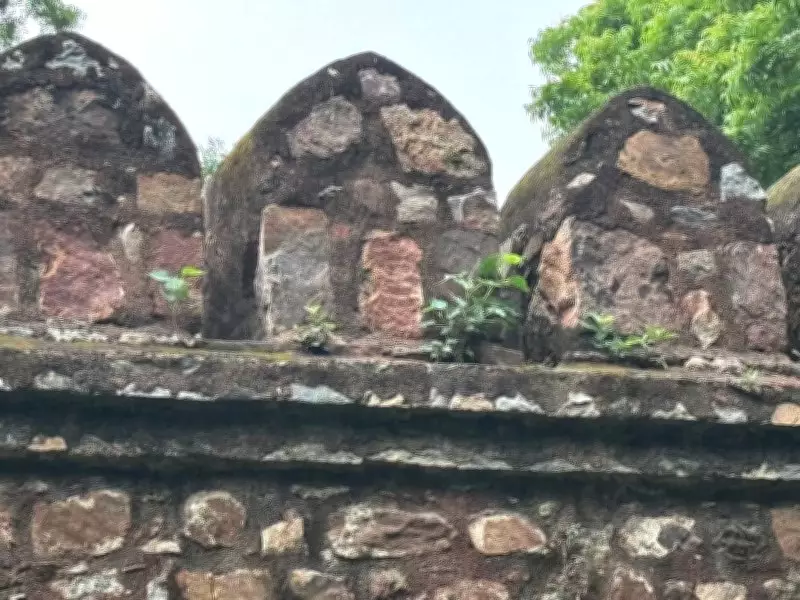
Former Indian Forest Service (IFS) officer Mohan Pargaien has raised fresh concerns over the condition of the protected 15th-century monuments in Delhi's Lodhi Garden, sharing photographs that show peepal and other saplings emerging from cracks in the masonry. The monuments, including the Tomb of Muhammad Shah—one of Delhi's finest surviving examples of Sayyid-Lodi architecture—have stood for nearly 600 years, surviving changing empires, wars, and weather. Now, they face a quieter but equally destructive threat from within their own walls.
Vegetation Sprouting from Domes and Parapets
Pargaien's photographs reveal vegetation sprouting from domes, parapets, and stone walls. “A historic monument can survive centuries, but not neglect,” he said. “Saplings like peepal taking root in stone crevices gradually weaken these historic structures in Lodhi Garden. Please don’t wait for visible collapse. Regular maintenance and timely removal require only proactive action.”
The saplings may appear harmless, but their roots force apart stone blocks and weaken the mortar that has held the monuments together for centuries. The issue is particularly significant because the monuments inside Lodhi Garden are protected heritage structures representing Delhi's architectural transition during the Sayyid and Lodi periods. They are among the capital's most-visited historical landmarks and form an important part of India's medieval architectural legacy.

Conservation Responsibility and Routine Maintenance
The issue has brought attention back to routine conservation rather than large restoration projects. The New Delhi Municipal Council manages the 90-acre Lodhi Garden, while the Archaeological Survey of India (ASI) is responsible for protecting and conserving the medieval monuments within it. The visible presence of established saplings raises questions about whether regular vegetation clearance is being carried out before plants become deeply rooted.
According to Pargaien, the damage is still at a stage where timely manual removal of the saplings can prevent further deterioration. Left unattended, however, the roots can spread through the masonry, making conservation significantly more difficult and increasing the risk of irreversible structural damage.
Broader Conversation on Heritage Preservation
The ex-IFS officer's concerns have reignited a broader conversation about how India's protected monuments are preserved. His message emphasizes that safeguarding heritage is not always about expensive restoration after damage occurs, but about ensuring simple, regular maintenance before centuries-old structures begin to fail from within.