Ludhiana: The latest National Crime Records Bureau (NCRB) report has placed this industrial hub of Punjab eighth among India’s 34 metropolitan centres for recorded animal cruelty. According to the data, Ludhiana recorded seven cases under the Prevention of Cruelty to Animals Act in 2024.
Chhatrapati Sambhajinagar topped the list with 49 cases, followed by Vijayawada with 36. Agra and Vasai-Virar tied for third place, each reporting 26 cases. Among regional cities, Amritsar and Chandigarh reported zero cases.
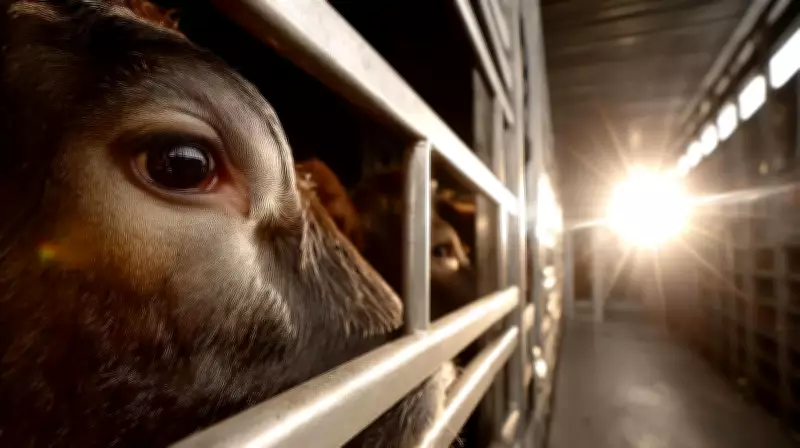
Within Punjab, Ludhiana’s seven offences accounted for nearly 11% of the state’s total 64 cases, ranking it third behind Pathankot (15) and Patiala (eight). For incidents such as a dog attacked with a sword in a neighbourhood or cattle crammed into trucks for transit, help rarely arrives, say activists.

Activists Warn of Underreporting
Local animal welfare advocates argue that the official statistics reflect a severe underreporting of actual abuses rather than a lower incidence of crime. Sandeep K Jain, a Ludhiana resident and co-opted member of the Animal Welfare Board of India, welcomed the NCRB’s decision to publish this data for the first time but noted significant systemic gaps.
“Many offences never reach authorities because parties reach informal compromises, or the incidents simply escape the notice of activists,” Jain said. “Furthermore, enforcement is hindered by a lack of specialised staff, inadequate budgets, and the fact that volunteers lack the statutory power under Section 34 of the Act to intercept, search, or fine offenders.”
Jain noted that most local prosecutions involve the thrashing of domestic dogs or the severe overcrowding of cattle during commercial transit. Mani Singh, state president of Help for Animals and local head of People for Animals, pointed out the legal hurdles in securing prosecutions.
“Securing a first-information report (FIR) from police is difficult because it demands strict evidence,” he said. “Gathering that proof is inherently challenging because the animal victims are voiceless and eyewitnesses rarely come forward.”
The NCRB report highlights the need for better enforcement and public awareness to address animal cruelty effectively. Activists urge authorities to allocate more resources and streamline legal processes to protect vulnerable animals.