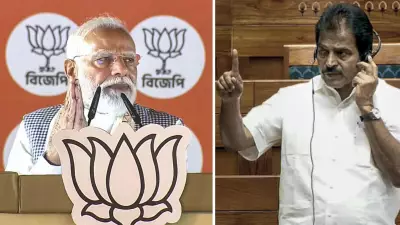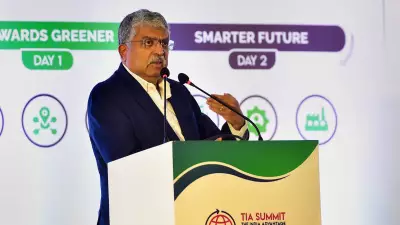
In a new video message released on July 26, 2026, Prime Minister Narendra Modi announced the formation of a high-powered task force chaired by Nandan Nilekani, co-founder of Infosys and former chairman of the Unique Identification Authority of India, to overhaul the country's examination system. The announcement comes amid growing concerns over exam paper leaks, cheating incidents, and the immense pressure on students.
Task Force Mandate and Composition
According to the Prime Minister's Office, the task force will comprise education experts, technologists, psychologists, and representatives from state education boards. Its primary mandate is to recommend a transparent, secure, and student-friendly examination ecosystem. Key focus areas include leveraging technology to prevent malpractices, reducing the dependency on high-stakes single exams, and introducing continuous assessment models.
"Our examination system needs a fundamental change. The task force will explore ways to make exams stress-free yet rigorous, ensuring merit is fairly assessed without compromising on integrity," PM Modi stated in the video. The task force is expected to submit its recommendations within six months.

Nandan Nilekani's Vision
Nandan Nilekani, known for his role in building Aadhaar, expressed confidence in leveraging digital infrastructure to bring transparency. "We will engage with students, parents, teachers, and administrators to design a system that is robust and fair," he said in a statement. The task force will also study global best practices from countries like Finland and South Korea.
Addressing Exam Malpractices
In recent years, India has witnessed several high-profile exam paper leaks, including the NEET and UGC-NET controversies in 2024. According to official data, over 30 million students appear for board exams annually, and nearly 5,000 cases of cheating are reported each year. The task force aims to implement biometric verification, secure digital delivery of question papers, and real-time monitoring to eliminate leaks.
Reducing Student Stress
Mental health experts have long flagged the toxic pressure on students. A 2025 survey by the National Institute of Mental Health Sciences found that 68% of students experience severe anxiety during exam season. The task force will recommend incorporating mental wellness programs and redesigning exam patterns to assess application skills rather than rote memorization.
Timeline and Next Steps
The PMO confirmed that the task force will hold consultations with all stakeholders, including state education ministers, within the next three months. An interim report is expected by December 2026, with full implementation guidelines by mid-2027. The government plans to pilot the new system in select districts before a nationwide rollout.