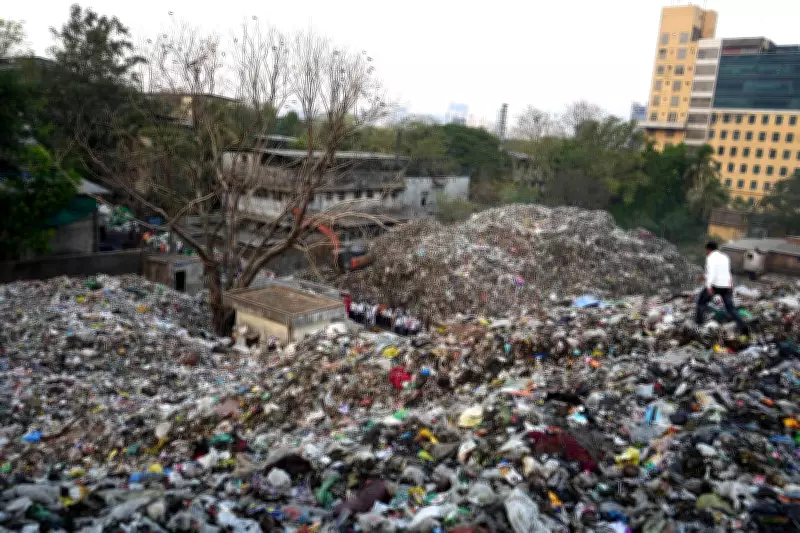
The Pune Municipal Corporation (PMC) has announced a renewed crackdown on bulk waste generators (BWGs), including the imposition of heavy fines for those failing to process garbage on-site. However, this move has been met with skepticism from activists who claim that previous drives were mismanaged and unfairly targeted small housing societies while overlooking large commercial establishments.
Background of the Solid Waste Management Norms
Under current solid waste management regulations, any residential or commercial property generating more than 100 kg of waste daily—including housing societies, hotels, hospitals, and educational institutions—is required to process that waste within its own premises. This mandate aims to reduce the burden on municipal landfill sites and promote decentralized waste management.
Details of the Upcoming Drive
The upcoming enforcement drive, scheduled to begin next month, will see fines ranging from Rs5,000 to Rs15,000 for non-compliant bulk waste generators. Beyond monetary penalties, the PMC is also contemplating scrapping the special property tax discount that these establishments currently enjoy. Last year, the civic administration identified approximately 800 societies that failed to comply with the processing mandates.

“The civic administration has urged bulk waste generators to adhere to the norms. Those who fail to follow these guidelines will face strict action,” said Santosh Varule, head of PMC’s solid waste management department.
Activists Raise Concerns
Activists have demanded that the PMC facilitate the construction of processing units rather than focusing solely on penalties. They pointed out that many small societies lack the physical space required for independent units. Suhas Patwardhan, chairperson of the Pune District Cooperative Housing Societies and Apartment Federation, highlighted these logistical hurdles. “The lack of available space to build processing plants is a major concern for smaller societies. The civic body should introduce alternatives, such as ‘cluster processing’ centres, to assist these groups,” Patwardhan said.
Waste Generation Statistics
Pune generates roughly 2,200 tonnes of trash daily, 15% of which is plastic, according to PMC officials. Currently, the bulk of this waste is transported to disposal sites in Hadapsar and Uruli-Phursungi. By enforcing on-site processing for bulk generators, the PMC aims to reduce the massive logistical and environmental burden on these landfill sites.
Conclusion
The PMC’s renewed crackdown on bulk waste generators represents a significant step toward improving waste management in Pune. However, the success of the initiative will depend on addressing the concerns of small societies and ensuring equitable enforcement across all types of establishments.