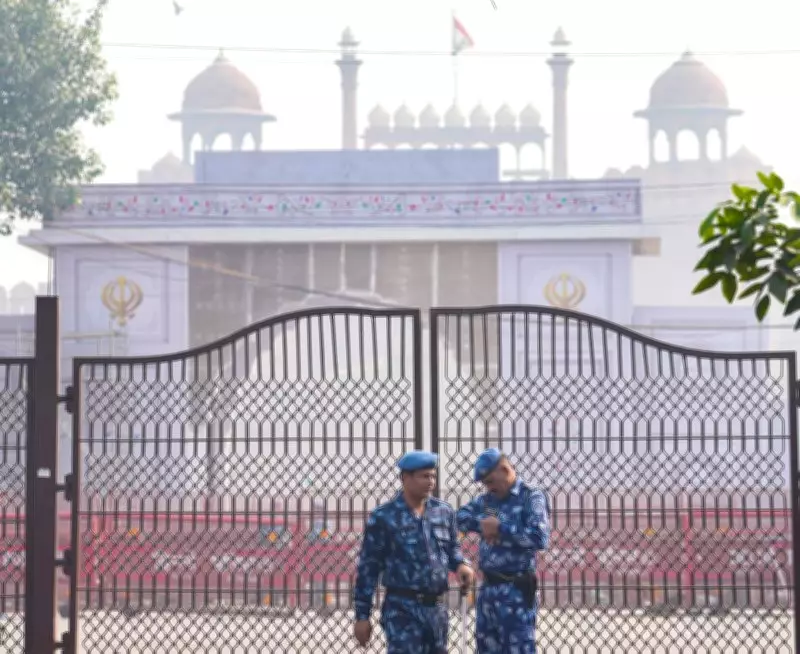
The Archaeological Survey of India (ASI) has initiated a major restoration drive covering 20 prominent protected monuments in Delhi, including iconic landmarks such as the Red Fort, Humayun's Tomb, and Qutub Minar. The programme aims to restore these heritage structures to their original historic character while addressing damage caused by time, weather, and pollution, according to an ASI official.
Scope of the Restoration Drive
In total, restoration, repair, and conservation works will be carried out at approximately 140 of Delhi's 170 protected monuments. Besides the three UNESCO World Heritage Sites, other monuments identified for major restoration include Purana Qila, Begumpur Mosque, Kotla Maqbara, the City Wall, and the Hauz Khas complex. The official stated that the conservation drive is focused not merely on improving appearance but on preserving historical authenticity and preventing further deterioration through scientific methods.
Red Fort: Northern Cell Restoration Nears Completion
At the Red Fort, built by Mughal emperor Shah Jahan between 1638 and 1648, the ASI has almost completed restoration of the Northern Cell. Work is expected to be finished before Independence Day. The cell, which had turned white after later repairs, is being restored to its original Mughal-era appearance by reinstating the red sandstone facade using traditional conservation techniques. The Northern Cell, a historic barrack-like structure built during the Mughal period and later modified under British rule, has undergone conservation to stabilise ageing walls, repair damaged masonry, restore lime plaster, and improve drainage.

The ASI has also completed revival of the water tank surrounding Zafar Mahal, a red sandstone water pavilion built by the last Mughal emperor, Bahadur Shah Zafar, in 1842. The project involved restoring the historic water body, rejuvenating fountains, and illuminating the pavilion.
Safdarjung Tomb: Major Conservation Underway
Another major conservation project is underway at Safdarjung Tomb, where the ASI, in collaboration with the World Monuments Fund, is carrying out one of the most extensive restoration exercises in recent decades. The project includes structural repairs, restoration of damaged architectural features, landscaping, and revival of the historic water system. Estimated to cost about Rs 5 crore, the work is targeted for completion by the end of July.
Other Key Monuments in the Restoration List
Humayun's Tomb, the first grand Mughal garden tomb commissioned by Bega Begum in 1565 in memory of Emperor Humayun, is also included. Qutub Minar, a UNESCO World Heritage Site whose construction began under Qutb-ud-din Aibak in 1199 and was completed by his successors, is another key site. Purana Qila, built by Humayun and later expanded by Sher Shah Suri during the 16th century, and Begumpur Mosque, one of Delhi's largest medieval mosques dating to the Tughlaq period, are also on the list. The Hauz Khas complex, which developed around a reservoir built by Alauddin Khilji, along with the City Wall and Kotla Maqbara—important reminders of Delhi's medieval history—complete the restoration roster.