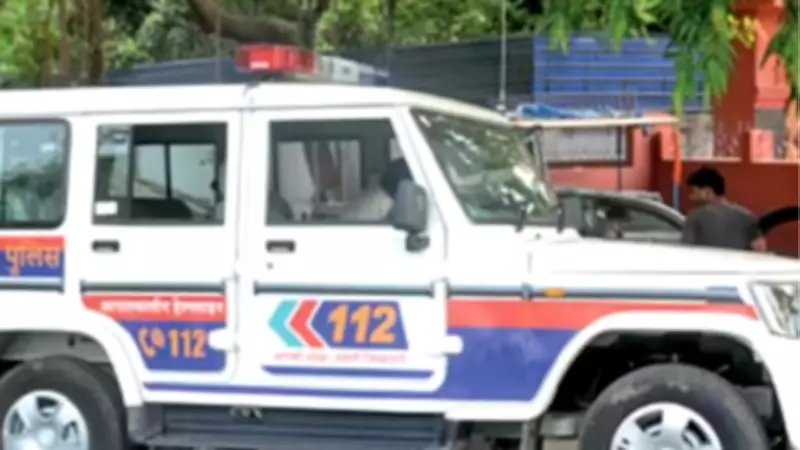
The Supreme Court has directed all states and union territories to integrate every emergency and ambulance helpline into a single helpline number '112' within three months. A bench comprising Justices J K Maheshwari and A S Chandurkar emphasized that the right to trauma care is an integral part of the right to life under Article 21 of the Constitution.
Unified Helpline and Grievance Redressal
The court also instructed the establishment of a functional grievance redressal system under the Good Samaritan laws. The bench stated that systemic intervention is required to create a uniform framework for trauma care, build public awareness, standardize first aid skills, and implement proper Good Samaritan laws. The directive mandates full technical and operational integration of all emergency helplines—such as 100, 101, 108, 102, 1033, 1091, and others—into helpline 112 within three months. Additionally, states and UTs must undertake concurrent mass-media publicity for helpline 112 and report compliance.
Medical Rescue Protocol
The court permitted the Union of India, through the health ministry and the ministry of road transport and highways, to issue a medical rescue protocol for trauma cases within three months. All states and UTs are directed to operationalize this protocol at their level within three months of its issuance. This step aims to streamline emergency medical responses and ensure timely trauma care for citizens across the country.

The Supreme Court's ruling underscores the constitutional duty of the state to protect the right to life, which encompasses access to prompt and effective trauma care. By consolidating emergency helplines and standardizing protocols, the court seeks to eliminate confusion and delays that often hinder emergency responses, ultimately saving lives.