Massive Social Audit Uncovers Deficiencies in Kangra Schools
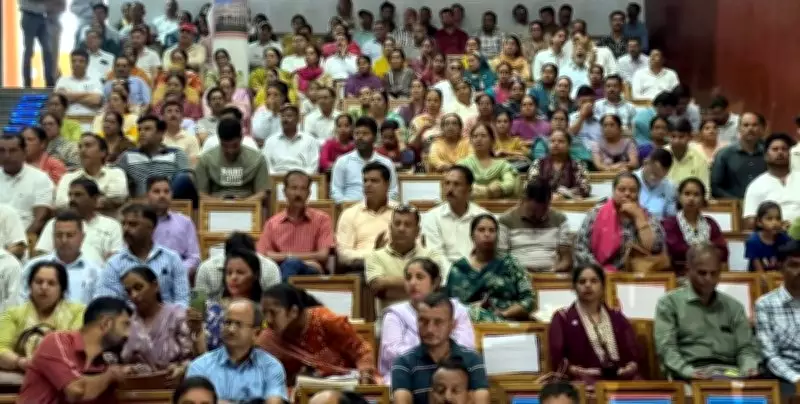
A large-scale social audit of government schools in Kangra district, Himachal Pradesh, has revealed widespread deficiencies in infrastructure, safety, and learning standards. The findings were presented during a public hearing in Dharamsala on Friday, attended by over 2,000 participants including parents, teachers, School Management Committee members, elected representatives, education officials, and local residents. Kangra Deputy Commissioner Hemraj Bhairwa reviewed the observations.
The audit was conducted by a team from Himachal Pradesh University led by Dr Randhir Ranta. It covered 519 schools, nearly 20 per cent of the district's 2,364 educational institutions. The remaining schools will be assessed in four subsequent phases.
Infrastructure and Safety Gaps
According to the report, nearly 44 per cent of surveyed schools lack adequate classroom space and sufficient rooms for teaching and administrative staff. More than a quarter of institutions have inadequate furniture, adversely affecting the learning environment. Student safety emerged as a major concern, with over 78 per cent of schools lacking boundary walls or fencing, leaving children vulnerable to potential risks. Additionally, nearly 65 per cent of schools are not connected by motorable roads, creating accessibility challenges, particularly for students with disabilities.

Basic amenities remain inadequate: around nine per cent of schools do not have separate toilets for girls, a similar proportion lack drinking water facilities, and two per cent operate without kitchens for the mid-day meal programme.
Health and Child Protection Concerns
The audit highlighted concerns related to adolescent health and well-being. More than 40 per cent of schools do not provide sanitary pads to girl students, despite their importance in promoting menstrual hygiene and reducing absenteeism. Serious shortcomings were reported in child protection mechanisms: nearly one-third of schools have not constituted mandatory school safety committees, and complaint and suggestion boxes were absent in many institutions. None of the schools covered in the audit had access to professional counselling services.
Dr Ranta stated, "The findings indicate that many schools are struggling to meet the quality benchmarks envisioned under the Right to Education Act."
Inclusive Education and Library Deficits
The report pointed to gaps in inclusive education, citing inadequate facilities for children with special needs. Library infrastructure was another weak area, with more than 80 per cent of schools failing to meet prescribed standards. The audit team also flagged weak monitoring practices, noting that field-level education officials were not conducting school visits as frequently as mandated. Additionally, the "One Nation, Great Nation" programme was reportedly not being implemented in 48 per cent of the surveyed schools.
The findings underscore the need for urgent intervention to address these systemic issues and ensure quality education and safe environments for children in Kangra district.