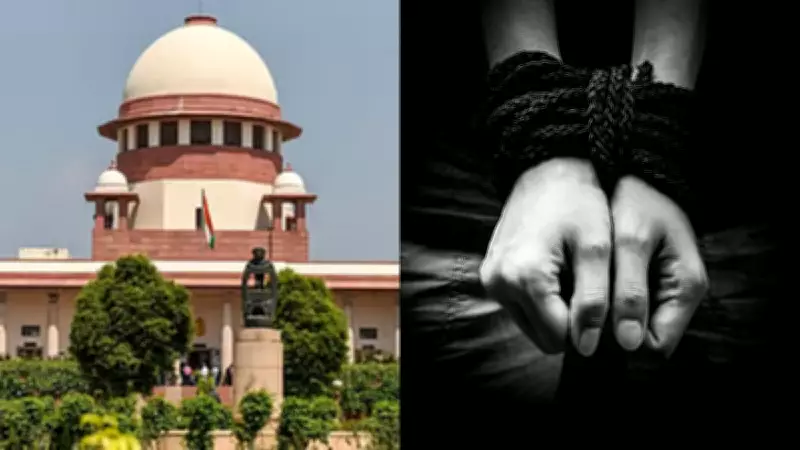
The Supreme Court of India has issued a landmark directive ordering the implementation of a comprehensive 'victim protection plan' to combat human trafficking and ensure the rehabilitation of survivors. The court described human trafficking as a 'direct assault on constitutional dignity,' underscoring the gravity of the crime and the need for robust protective measures.
Court's Observations and Directives
In its ruling, the Supreme Court emphasized that human trafficking violates fundamental rights guaranteed under the Constitution, including the right to life and personal liberty. The bench, while hearing a plea related to the effective implementation of anti-trafficking laws, noted that victims often face re-trafficking due to lack of adequate support systems. The court directed both central and state governments to formulate and execute a victim protection plan within a stipulated timeframe.
Key Components of the Plan
The victim protection plan includes several critical elements aimed at safeguarding survivors and preventing further exploitation. These include immediate rescue operations, provision of emergency shelter, medical and psychological care, legal aid, and long-term rehabilitation through skill development and livelihood opportunities. The court also stressed the importance of witness protection to ensure that survivors can testify without fear of retaliation.

Rehabilitation and Social Reintegration
Beyond immediate protection, the court highlighted the need for sustainable rehabilitation programs. It directed the establishment of dedicated rehabilitation centers in each district, staffed with trained personnel. The plan also mandates the creation of a centralized database to track victims and monitor their progress. Special attention is to be given to children, who are particularly vulnerable to trafficking, with measures aligned under the Protection of Children from Sexual Offences (POCSO) Act.
Government's Response and Implementation Timeline
The Union government has been asked to submit a compliance report within three months, detailing the steps taken to operationalize the plan. State governments are required to appoint nodal officers and set up district-level task forces to coordinate anti-trafficking efforts. The court warned of contempt proceedings in case of non-compliance.
Broader Implications for Anti-Trafficking Efforts
This judgment is expected to strengthen the legal framework against human trafficking in India. Activists and legal experts have welcomed the order, noting that it addresses long-standing gaps in victim support. The court's emphasis on victim-centric approaches aligns with international conventions, including the United Nations Protocol to Prevent, Suppress and Punish Trafficking in Persons.
The Supreme Court's directive marks a significant step toward dismantling trafficking networks and restoring the dignity of survivors. By mandating a structured protection plan, the judiciary has reinforced the state's duty to uphold constitutional values and protect the most vulnerable sections of society.