Ajit Pawar's Demise Sparks Political Uncertainty in Maharashtra
The recent demise of senior Nationalist Congress Party (NCP) leader Ajit Pawar has sent shockwaves through the political landscape of Maharashtra, creating a significant power vacuum and raising critical questions about the future of the party's legislative strength. This event has thrust Deputy Chief Minister Devendra Fadnavis into a particularly challenging position as he navigates the complex dynamics of state governance and coalition stability.
The Fate of 40 NCP MLAs Hangs in the Balance
One of the most pressing issues emerging from this situation is the potential return of approximately 40 NCP Members of the Legislative Assembly (MLAs) to the faction led by veteran politician Sharad Pawar. These MLAs had previously aligned themselves with Ajit Pawar, and his absence now leaves their political allegiance uncertain. Analysts suggest that without Ajit Pawar's leadership, these legislators might reconsider their positions, possibly leading to a realignment within the NCP that could impact the ruling coalition's majority in the state assembly.
The speculation centers on whether these MLAs will seek to reunite with Sharad Pawar's camp, which could strengthen his influence and potentially alter the balance of power in Maharashtra. This scenario poses a direct challenge to the current administration, as any significant shift in MLA support might necessitate strategic adjustments to maintain governance stability.

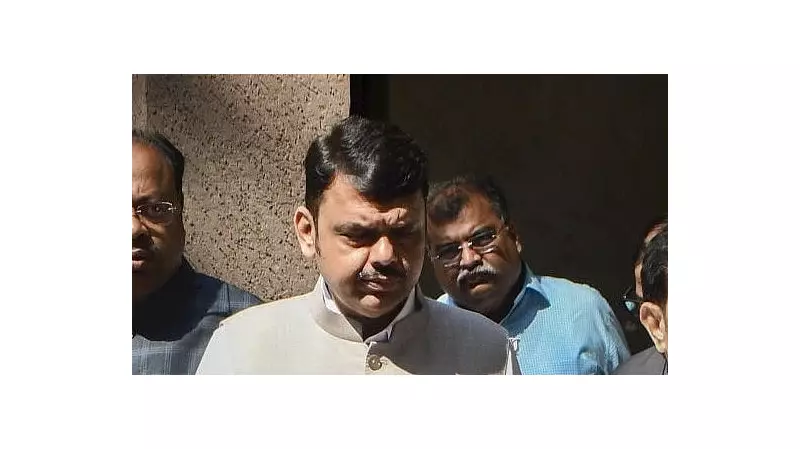
Devendra Fadnavis Confronts a Daunting Political Task
Deputy Chief Minister Devendra Fadnavis, a key figure in the Bharatiya Janata Party (BJP)-led government, now faces a formidable task in managing the aftermath of Ajit Pawar's demise. His responsibilities include ensuring the continuity of the coalition government, addressing potential defections, and mitigating any instability that could arise from the NCP's internal realignments. Fadnavis must employ deft political maneuvering to prevent disruptions to legislative proceedings and public administration.
Observers note that Fadnavis's ability to negotiate with various NCP factions and secure the support of wavering MLAs will be crucial in the coming weeks. This involves balancing the interests of different political groups while upholding the government's agenda, making his role more critical than ever in this period of transition.
Implications for Maharashtra's Political Future
The unfolding events highlight the broader implications for Maharashtra's political future. The potential movement of 40 NCP MLAs could lead to reshuffles in cabinet positions, changes in policy directions, and shifts in regional alliances. It also underscores the fragility of coalition politics in the state, where personal loyalties and leadership often play a decisive role in shaping outcomes.
As stakeholders monitor developments closely, the focus remains on how Sharad Pawar will respond to this opportunity to reclaim influence and whether Fadnavis can successfully navigate these turbulent waters. The outcome will likely have lasting effects on Maharashtra's governance and electoral landscape, making this a pivotal moment in the state's political history.
In summary, Ajit Pawar's demise has not only created a void in the NCP but also set the stage for potential realignments that could test the resilience of Maharashtra's ruling coalition. With 40 MLAs at a crossroads and Devendra Fadnavis tasked with maintaining stability, the political scene in the state is poised for significant developments in the near future.