Ambalapuzha's Political Drama: Comrade Versus Former Comrade in Rare Showdown
The Ambalapuzha assembly constituency in Kerala is witnessing a political confrontation that local residents are describing as exceptionally rare and deeply personal. At the heart of this electoral battle is a clash between two individuals who once shared the same ideological space within the Communist Party of India (Marxist), but now find themselves on opposing sides of the political divide.
The Contenders and Their Background
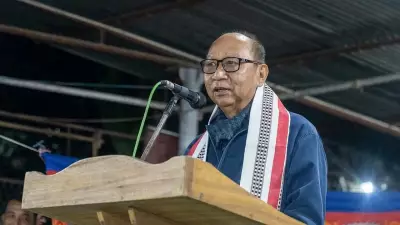
The Left Democratic Front (LDF) has fielded the incumbent candidate, H Salam, representing the CPM. Standing against him is G Sudhakaran, a former central figure in the CPM's growth and influence in the region. Sudhakaran's journey has taken a dramatic turn as he walked away from the party, disillusioned by its internal dynamics, only to receive backing from the United Democratic Front (UDF)—a political coalition he had long criticized throughout his career.
This setup creates a politically layered showdown where past loyalties are directly confronting present alignments. Both candidates developed their political careers within the same ideological framework, granting them an intimate understanding of each other's strengths and vulnerabilities.

Historical Context and Personal Dynamics
Ambalapuzha has historically served as a strong bastion for the LDF, with the front securing victory in more than 75% of elections held here. Interestingly, Sudhakaran himself won three consecutive terms representing the CPM ticket in this very constituency. However, ahead of the previous election, the party made a strategic decision to sideline him in favor of H Salam, who ultimately emerged victorious.
Following his victory, Salam accused Sudhakaran of working against his campaign. A subsequent party inquiry found Sudhakaran guilty of these allegations, leading to his demotion to branch-level responsibilities and gradual marginalization within the party structure. This marked a significant fall for the man who had served as the first state president of the Students' Federation of India (SFI) when it was founded in 1970.
Voter Sentiments and Political Reactions
Local resident Sangeetha Mahesh observed, "It's an interesting fight. CPM is furious over what it calls a betrayal, and LDF grassroots workers are doubling down to ensure a party victory. Meanwhile, Sudhakaran is not only holding public meetings but quietly connecting with voters on a personal level. BJP votes will likely split between both candidates."
Voters across party lines are acutely aware of this historical backdrop, with many expressing sympathy for Sudhakaran's situation. Fisherman Vishnu Kumar noted, "Sudhakaran is a good leader. People here like him." Yet when Sudhakaran initially chose to contest as an independent candidate, some voters expressed uncertainty, questioning whether his motivations were driven by personal ambition rather than ideological conviction.
The political landscape shifted further when Chief Minister Pinarayi Vijayan made what has been locally described as a 'chettatharam' remark—a dismissive comment about a fellow comrade of 63 years. This statement did not sit well with many constituents, who now feel Sudhakaran did not deserve such treatment from a party he helped build and strengthen over decades.
Complex Alliances and Criticisms
Despite this sympathy, Sudhakaran's critics remain troubled by his acceptance of support from the UDF—the very political force he consistently blamed throughout his career, even holding them responsible for his brother's death. This alliance represents a significant ideological shift that has not gone unnoticed by political observers.
Some UDF voters, like Gopalakrishnan E N, openly acknowledge the unusual nature of this arrangement. "It is unfortunate that Congress could not field a strong candidate and instead chose to back a former comrade," he admitted. Nevertheless, he confirmed he would still vote for Sudhakaran as directed by the party leadership, hoping this strategic move might help bring Congress back to power in the region. "Regardless of party alliances, he has good personal relations with everyone," Gopalakrishnan added.

Demographic Complexity and Voting Patterns
The constituency's demographic composition adds another layer of complexity to this electoral battle:
- Hindu Majority: Hindus form the majority population, with Ezhavas representing the dominant group within this community, while Nairs play a smaller but influential role.
- Religious Minorities: Approximately 20% of constituents are Christians, followed by around 10% Muslims.
- Traditional Support Bases: Ezhava voters and the coastal working class have historically formed the backbone of LDF support, largely driven by trade union networks and welfare policies.
- Swing Factors: Nair votes tend to fluctuate between political fronts, often acting as a decisive swing factor in close contests.
- Divided Loyalties: Christian votes typically split between UDF and LDF depending on candidate appeal, while the Muslim community—comprising approximately 35,000 voters—includes around 9,000 aligned with the Social Democratic Party of India (SDPI). Some sources suggest SDPI links to Salam, though LDF supporters strongly deny these allegations.
Other Political Players and Ground Realities
The BJP-led National Democratic Alliance (NDA) has fielded Arun Anirudhan as their candidate. While traditionally considered a fringe player in this constituency, the party has made noticeable inroads through local election victories near the Ambalappuzha Krishna temple. Both SDPI and BJP votes could prove decisive in what promises to be a closely contested election.
Vimal Raj, a Gulf returnee and local shop owner, emphasized party loyalty over individual candidates: "Under Pinarayi Vijayan, LDF has driven development across both the state and this constituency. From G Sudhakaran to H Salam, the progress we see isn't just an individual achievement—it is the manifestation of the party's collective vision."
The Ultimate Test of Party Versus Personality
Although the CPM publicly maintains that Sudhakaran will not significantly dent their vote share, ground realities suggest a more nuanced picture. Sudhakaran has cultivated personal bonds with supporters over decades, often knowing them by name—a connection that has only deepened during his five years outside formal power structures.
The communist party has long maintained that its strength lies in collective organizational structure rather than individual personalities. This election in Ambalapuzha will serve as a crucial test of that fundamental belief, determining whether decades of personal relationships can overcome established party machinery in one of Kerala's most politically significant constituencies.