

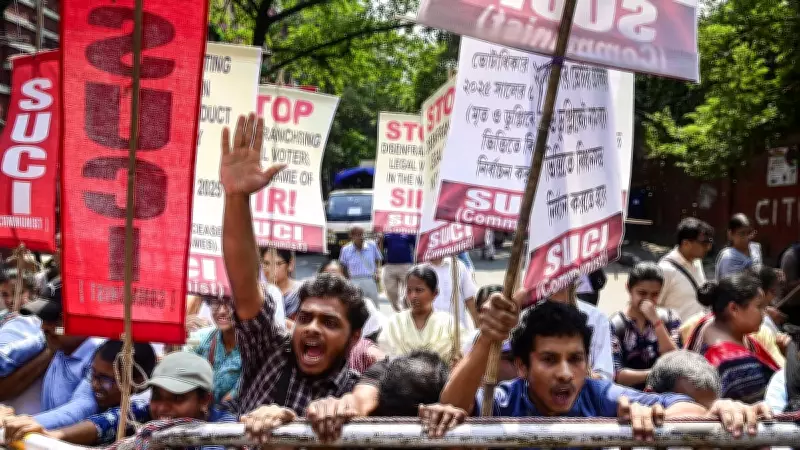
Anti-SIR Protests Escalate Across West Bengal, Disrupting Major Highways
Widespread protests against the Special Intensive Revision (SIR) scheme have intensified across several districts in West Bengal, leading to significant disruptions in transportation and public order. Demonstrators have taken to the streets, blocking national and state highways in key regions, as tensions rise ahead of scheduled voting activities.
Highways Blocked in Multiple Districts Amid Growing Unrest
In a coordinated display of dissent, protesters have effectively blocked highways in the districts of Malda, Jalpaiguri, Cooch Behar, and Purba Bardhaman. These blockades have severely impacted vehicular movement, causing delays and logistical challenges for commuters and commercial transport. The protests are part of a broader movement opposing the SIR scheme, which has sparked controversy and public outcry in the state.
Protest Tactics Include Tyre Burnings and Silent Marches
Demonstrators have employed various methods to voice their opposition, including burning tyres on roads to create barricades and holding silent marches in protest areas. These actions have drawn attention to the grievances against the SIR initiative, with participants calling for its revision or withdrawal. The silent marches, in particular, have highlighted the peaceful yet firm stance of the protesters, even as the situation remains volatile.

Voting Scheduled for April 23 in Affected Areas
The timing of these protests is critical, as voting is set to take place in Purba Bardhaman and other affected districts on April 23, 2026. This has raised concerns about potential disruptions to the electoral process and the need for heightened security measures. Authorities are monitoring the situation closely to ensure that voting can proceed smoothly despite the ongoing demonstrations.
Background on the Special Intensive Revision Scheme
The SIR scheme, which has been at the center of the protests, is a government initiative aimed at intensive revision of certain policies or records, though specific details have not been disclosed in the original report. Its implementation has faced resistance from various groups in West Bengal, leading to the current wave of protests. The scheme's impact on local communities and its perceived implications have fueled the dissent.
Response from Authorities and Future Outlook
Local law enforcement and government officials are working to manage the protests and clear blockades, but no major incidents of violence have been reported so far. The spread of protests across multiple districts indicates a growing mobilization against the SIR scheme, suggesting that the issue may continue to dominate public discourse in West Bengal. As the voting date approaches, all stakeholders are urged to maintain peace and order to prevent any escalation.






