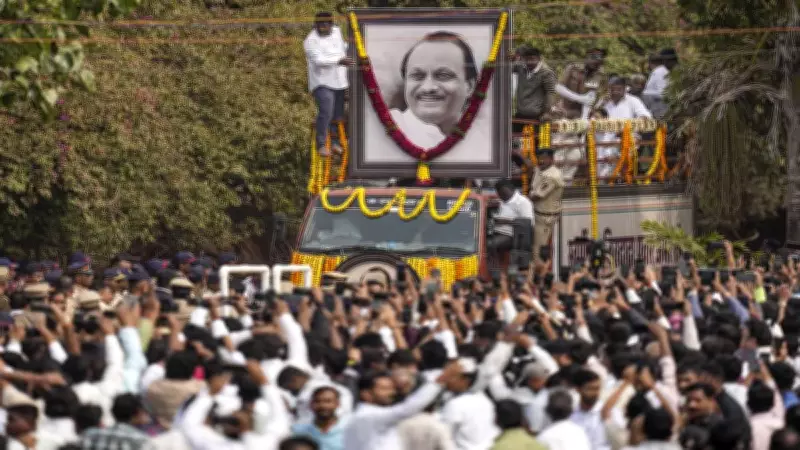
Baramati Flight Crash Investigation Highlights Low Visibility and Pilot Pressure
The official probe into the tragic flight crash in Baramati, which involved prominent Maharashtra politician Ajit Pawar, has concluded its initial findings. The investigation points to a combination of adverse weather conditions and operational pressures as the primary causes of the devastating incident that occurred earlier this year.
Key Factors Identified in the Crash Report
According to the detailed investigation report, low visibility due to poor weather conditions played a significant role in the accident. The aircraft was attempting to navigate through challenging meteorological circumstances that severely limited the pilot's ability to maintain visual contact with the ground and surrounding terrain.
Additionally, the report highlights that pilot pressure contributed to the unfortunate outcome. Investigators found evidence suggesting that the pilot may have been under considerable stress to complete the flight despite the deteriorating weather conditions, potentially compromising standard safety protocols and decision-making processes.

Context of the Baramati Aviation Incident
The flight was carrying Ajit Pawar, a senior political figure in Maharashtra known for his influential role in state politics. The crash occurred in the Baramati region, an area that has witnessed increased aviation activity in recent years due to political and economic developments.
This incident has raised important questions about aviation safety standards in regional flights across Maharashtra. The investigation's focus on both environmental factors and human elements provides a comprehensive understanding of how multiple variables can converge to create dangerous situations in aviation operations.
Broader Implications for Aviation Safety
The findings from the Baramati crash investigation have prompted discussions about several critical aspects of flight safety:
- Weather monitoring systems for regional airports and airstrips
- Pilot training protocols for handling pressure situations
- Communication standards between ground control and flight crews during adverse conditions
- Regulatory oversight for political and VIP flights
Aviation experts emphasize that while weather conditions can be unpredictable, proper training and adherence to safety protocols can significantly mitigate risks. The combination of low visibility and operational pressure identified in this case serves as a cautionary example for the entire aviation industry.
Response from Authorities and Political Circles
Following the release of the investigation findings, aviation authorities have indicated they will review current safety guidelines for flights operating in similar conditions. The Maharashtra government has acknowledged the report's conclusions and expressed commitment to implementing necessary improvements in regional aviation infrastructure.
Political observers note that this incident has brought attention to the travel arrangements of public figures and the importance of maintaining rigorous safety standards regardless of passenger status. The tragedy has sparked conversations about balancing security concerns with fundamental aviation safety principles.
As the investigation moves toward its final phase, authorities continue to examine additional factors that may have contributed to the crash. The comprehensive report is expected to inform future policy decisions and operational changes within Maharashtra's aviation sector, with the ultimate goal of preventing similar tragedies in the future.