

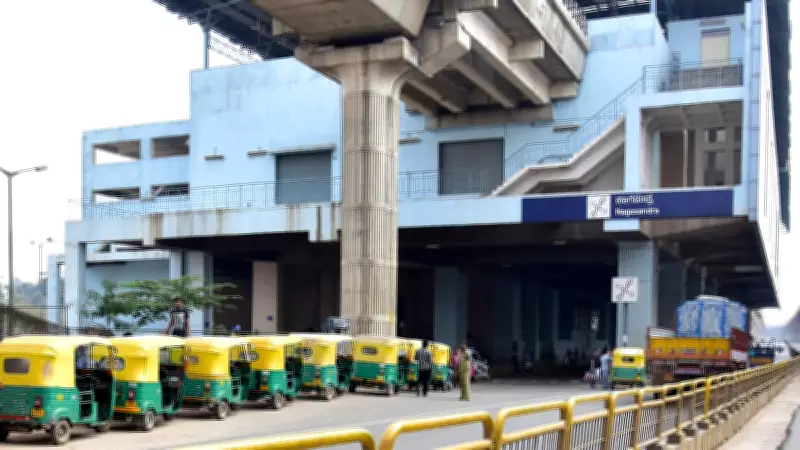
All-India Strike Causes Major Transport Disruption in Bengaluru
A widespread nationwide strike on Saturday severely disrupted transportation services across Bengaluru, creating significant challenges for daily commuters. The industrial action led to a sharp reduction in the availability of auto-rickshaws and cabs, particularly on popular ride-hailing platforms, exacerbating the city's already notorious traffic and mobility issues.
Commuters Report Extended Waiting Times and Cancellations
Residents and office-goers in Bengaluru reported experiencing much longer waiting times for transport options throughout the day. Many users of cab and auto aggregator apps faced frequent cancellations and a noticeable scarcity of vehicles, especially during the crucial morning peak hours when demand is typically at its highest.
The strike's impact was felt across various parts of the city, with key business districts and residential areas witnessing a drastic drop in accessible transport. Commuters were left stranded or forced to seek alternative, often less convenient, modes of travel to reach their destinations.

Aggregator Platforms See Sharp Decline in Availability
Popular ride-hailing and auto-booking platforms experienced a significant operational hit due to the strike. The reduced participation of drivers and vehicle owners led to:
- Fewer available vehicles on app interfaces, causing surge pricing in some cases.
- Increased cancellation rates as drivers opted out of services to join the protest.
- Longer estimated arrival times, frustrating users who rely on these services for punctuality.
This disruption highlights the dependency of Bengaluru's urban mobility on such aggregator services and the vulnerability of the system to large-scale industrial actions.
Broader Implications of the Nationwide Strike
The transport woes in Bengaluru were part of a larger All-India strike affecting multiple sectors and cities. The protest aimed to draw attention to various labor and policy issues, but its immediate consequence for Bengaluru was a day of logistical headaches and commuting nightmares.
Local authorities and transport bodies were reportedly monitoring the situation, though no immediate contingency measures were widely implemented to alleviate the commuter burden. The event underscores the need for robust urban transport planning that can withstand such disruptions in the future.
As the city continues to grow and its transport infrastructure evolves, incidents like Saturday's strike serve as a reminder of the critical importance of reliable and resilient public and private mobility solutions for India's tech capital.






