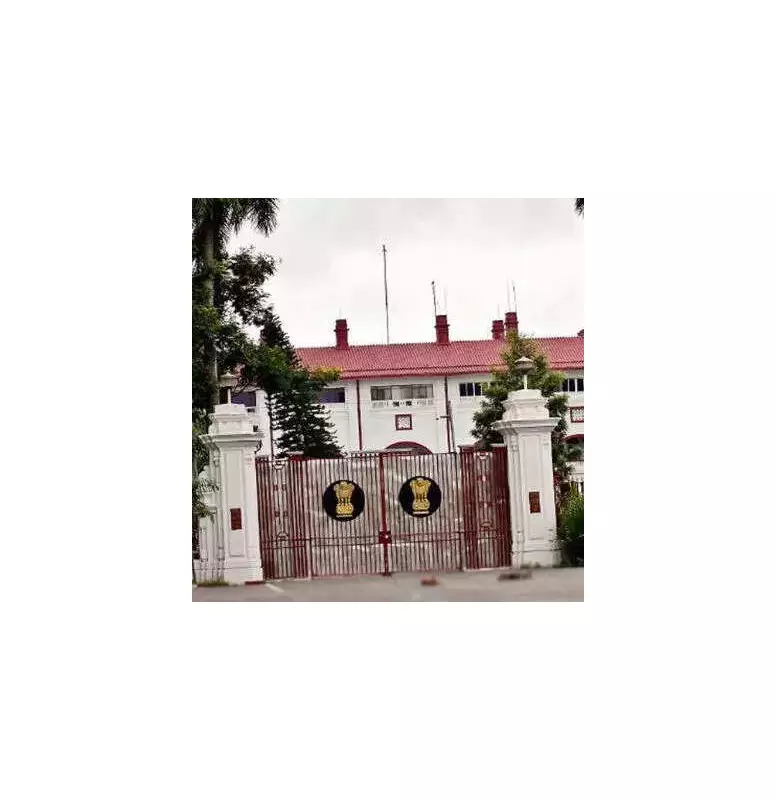
In a historic move, the iconic 109-year-old Raj Bhavan in Patna has officially been renamed the Bihar Lok Bhavan. The change took effect on Monday following a formal notification issued by the Governor's Secretariat.
Official Directive and Implementation
The renaming is not an isolated decision but part of a nationwide initiative. The notification explicitly states that the change was made with immediate effect for all official purposes, acting on a letter dated November 25, 2025, from the Union Ministry of Home Affairs. The central directive mandates that all Raj Bhavans across states be renamed 'Lok Bhavans', while 'Raj Niwases' in Union Territories become 'Lok Niwases'.
A senior official from the Governor's Secretariat confirmed that all existing nameplates and boards bearing the 'Raj Bhavan' name will be removed and replaced with new ones displaying 'Bihar Lok Bhavan'. Several other states have already implemented similar changes following the Home Ministry's order.

Shedding Colonial Legacy for a People-Centric Identity
The stated aim behind this nationwide renaming is to shed the colonial legacy associated with the word 'Raj' (which means rule or reign) and rebrand these institutions as more people-centric ('Lok' means people). The Patna Raj Bhavan itself is a structure steeped in history.
Its foundation stone was laid in 1913 by Viceroy Lord Hardinge. The building was designed by JF Munnings, an architect from New Zealand, and was part of a trio of new government buildings constructed at the time. Along with the old secretariat and the Patna High Court, the Raj Bhavan was inaugurated by Lord Hardinge himself on February 3, 1916.
Academicians Offer Mixed Reactions
The change in nomenclature has sparked a debate among academics and intellectuals in Bihar, revealing a split in opinion on its significance.
Professor Sudhanshu Kumar of the Bihar Institute of Public Finance and Policy views the change positively. He stated that the new name sounds more democratic and people-centric, replacing a title that carried the legacy of 'Rajshahi' or royalty. "Names often reflect the character and purpose of an institution," he said, adding that shifting to a title associated with public welfare signals a move from symbolic power toward service-oriented governance.
However, others are more critical. Nawal Kishore Chaudhary, former principal of Patna College, dismissed the move as a "political stunt" with no real connection to public welfare. He pointedly asked, "Will the present political dispensation also rename 'Rajyapal' (Governor) as 'Lokpal'?"
Echoing the skepticism, Shefali Roy, former head of the Political Science department at Patna University, described the renaming as a "populist approach" designed to divert public attention from their pressing day-to-day problems.
The transformation of the Bihar Raj Bhavan to Lok Bhavan marks a significant symbolic shift in the state's administrative lexicon. While it aligns with a national policy to distance institutions from colonial terminology, its reception highlights the enduring discussion about whether such changes represent substantive reform or mere political symbolism.