BJP Achieves Independent Control in Pune and Pimpri-Chinchwad
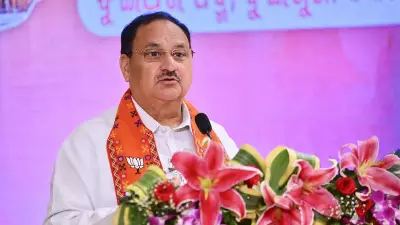
The Bharatiya Janata Party has secured a decisive victory in the Pune Municipal Corporation and Pimpri-Chinchwad Municipal Corporation elections. This marks the first time the party gains independent control over both civic bodies. The BJP now leads in 110 out of 165 seats in Pune and 81 out of 128 seats in Pimpri-Chinchwad.
NCP Unity Effort Suffers Significant Blow
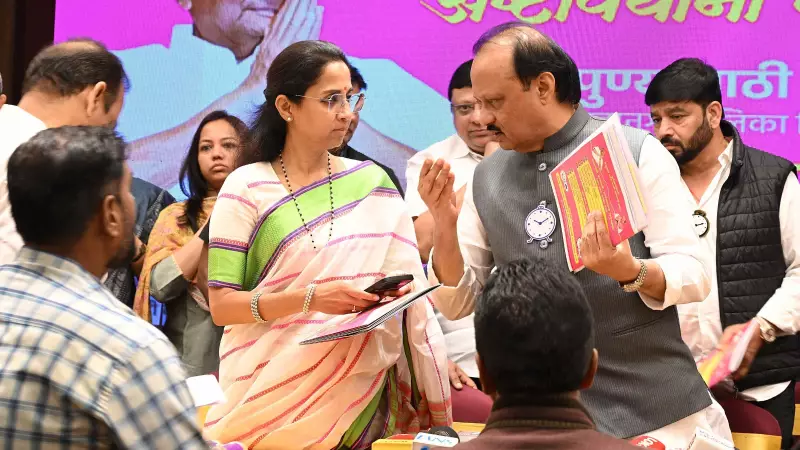
The election results deliver a serious setback to the Nationalist Congress Party's unity project. Both NCP factions, led by Ajit Pawar and Sharad Pawar, had joined forces for these municipal polls. They released a joint manifesto earlier this month, hoping to challenge BJP dominance. Their combined effort failed to prevent BJP's independent victory.
Key Factors Behind BJP's Success
Several strategic moves contributed to the BJP's electoral triumph. The party actively recruited strong candidates from rival political groups. This included prospective candidates from NCP, NCP(SP), Shiv Sena (UBT), and Congress. Notable inductions featured family members of established politicians like NCP(SP) MLA Bapu Pathare.

The BJP maintained a firm stance on candidate selection despite internal protests. Party leadership prioritized winnability as the primary criterion. They dropped thirty sitting corporators from the 2017 elections, making room for fresh faces including grassroots workers.
Managing Internal Dissent and Rebellion
Candidate selection proved challenging with over 2,500 aspirants for 165 Pune seats. The BJP implemented a clear policy denying tickets to relatives of sitting MLAs and MPs. This affected family members of prominent leaders including Union Minister Murlidhar Mohol and state minister Madhuri Misal.
To prevent potential rebellions, party leaders personally reached out to disappointed aspirants. They emphasized the policy favoring new faces over political relatives. This approach helped maintain party unity during the campaign period.
Aggressive Campaign Against Rivals
The BJP conducted an effective campaign against the NCP-NCP(SP) alliance. They directly criticized Deputy Chief Minister Ajit Pawar despite being state-level allies. The party highlighted the opposition alliance's decision to field candidates with criminal backgrounds.
BJP also benefited from vote division between Congress and NCP(SP), who are allies in the state-level Maha Vikas Aghadi opposition coalition.
Consolidating Political Gains
This victory builds upon BJP's recovery in recent Assembly elections. After facing setbacks in the 2024 Lok Sabha polls, the party won all seats it contested in Pune and Pimpri-Chinchwad during Assembly elections. The municipal results further strengthen BJP's position in Maharashtra's political landscape.
Infrastructure Focus Pays Dividends
During previous terms, BJP focused on major infrastructure projects in Pune and Pimpri-Chinchwad. These initiatives received support from both state and central governments. Voters appear to have responded positively to this development-oriented approach.
Questions Loom for NCP Factions
The election outcome raises serious questions about both NCP factions' political future. For NCP(SP), this continues a downward trend following initial success in the 2024 Lok Sabha elections. The party has since faltered in Assembly elections and now municipal polls.
For Ajit Pawar's NCP, the failure threatens its survival despite remaining BJP's ally at state and national levels. The unity project for municipal elections has caused internal discontent, with some leaders leaving NCP(SP) to join Congress.
Uncertain Political Landscape Ahead
Political observers now question whether BJP's continued dominance will push the two NCP factions closer together. Some party workers had hoped the municipal alliance would lead to broader merger, but senior leaders have dismissed such possibilities. The results indicate shifting political dynamics in Maharashtra with BJP strengthening its urban strongholds.