The Bharatiya Janata Party (BJP) began preparing for the 2026 West Bengal Assembly elections with a strategy that avoided a generic national campaign pasted onto a difficult state. Instead, it was focused and targeted, built around specific public grievances against the incumbent government. These included corruption, women's safety, the education recruitment scandal, extortion culture, farmer distress, fear in border areas, and a broader feeling that people were being denied fairness and dignity.
Each issue was converted into simple, emotionally legible stories, designed to be instantly recognisable in 20 or 30 seconds, rather than heavy on policy detail. To execute this, the BJP chose a Bengal-based communication partner that understood the language, the anxieties, and the rhythms of neighbourhood conversation. The party selected Response India, founded by Ram Ray in 1984, after a competitive process in which senior BJP leaders, including central ministers and state leadership, reviewed presentations from agencies across the country. After a shortlist and a gap in communication, Response was brought in on an emergency basis, with the timeline compressed from months into weeks.
Unusually Structured Demands
Response described the BJP as unusually structured in its demands. The briefs were exact, sharply framed, and unusually disciplined. A short phone call was often enough. The team wanted the grievance to be highlighted. Show who suffers. Show what change could look like. Keep it simple enough for mass audiences. Keep it legally compliant for Election Commission clearance. Keep it emotionally sharp, said Response India director Rashi Ray.

The agency produced short video stories for television, cinema halls, OTT, YouTube, Facebook, Instagram, and other digital platforms, using a problem-solution logic. Under crushing deadlines, Response delivered around 13 key films within a broader burst of nearly 30 pieces of communication in roughly 35 to 40 days. Once scripts were approved, the turnaround could be as little as 48 hours.
Narrative Arc in Phases
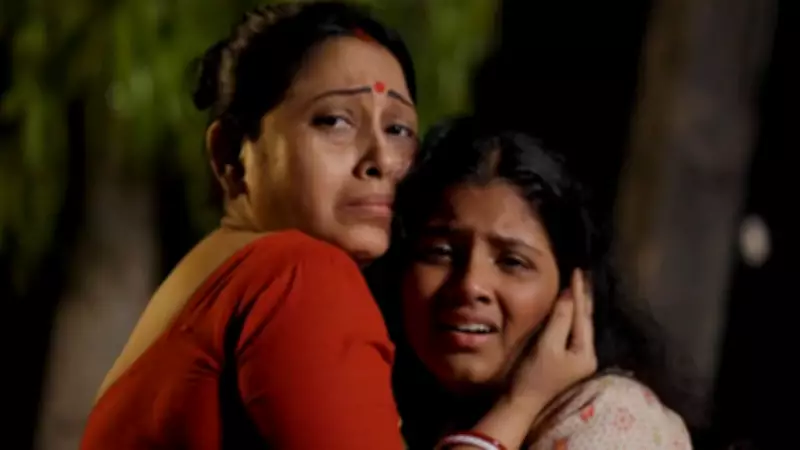
The narrative arc was staged in phases. The first set of films focused on anger and injury: a family facing the collapse of job opportunities due to corruption, a woman living with fear, a citizen trapped in everyday extortion, and communities feeling abandoned. The intent was to avoid abstraction and instead dramatise accusations as lived situations. The second phase pivoted to promise: fear receding, hope returning, governance improving, women feeling safer, jobs coming back, benefits reaching households, and Bengal's cultural confidence being restored—moving from pain to possibility.
A defining choice was to keep the films local and grounded in real settings. These were shot on real locations with actors drawn from theatre and small-screen circles, not generated through artificial imagery or distant studio fabrication, said Ray. The campaign also avoided AI-generated visuals because of disclosure requirements and because the team believed audiences would respond more strongly to something that felt immediate and real.
Operational Risks and Secrecy
Real-location political shoots during an election in Bengal carried operational risk. Crews could be stopped if their purpose became known, and earlier attempts by others had reportedly run into obstruction. Response relied on local knowledge: planning discreetly, moving quickly, using minimal setup time, shot and exited before interference could build, and constantly shifting across jurisdictions. Unlike conventional shoots that linger, these productions had to vanish almost as soon as they appeared.
Secrecy also shaped how the work was organised. Only a very small internal team at Response knew the full scope of the campaign. Outsourced collaborators were trusted and tightly compartmentalised. One crew did not know the details of another film. Cast members were attached to individual projects, not the whole slate. Even within the agency, most people saw the finished work only after release. That structure protected both speed and confidentiality, recounted Response CEO Sidhartha Roy.

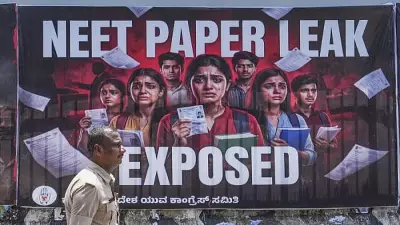
Beyond films, Response produced static communication—pamphlets, posters, candidate material—and templates for on-ground campaign vehicles adaptable across constituencies. A particularly intense task was designing the party's charge sheet against the incumbent government: the brief arrived in the afternoon and the cover was delivered within hours, with multiple options, enabled by precise client instructions.
Discipline as a Distinguishing Feature
The campaign's distinguishing feature was discipline as much as speed or volume. The BJP's central team, its in-house digital operation, its long-time national agency, and Response were coordinated tightly: Material arrived on time, approvals moved fast, and the effort ran as one integrated machine.