

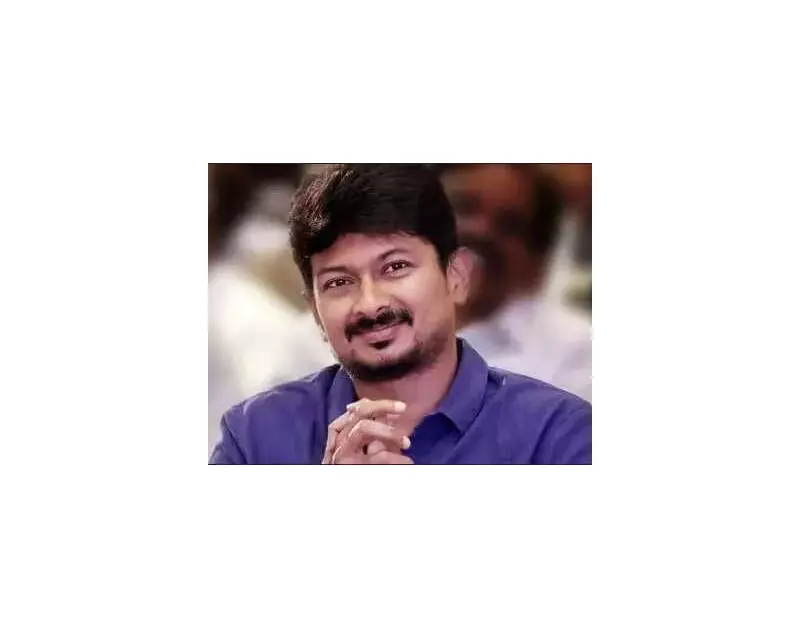
Chennai's Deputy Chief Minister, Udhayanidhi Stalin, took a hands-on approach to the city's monsoon preparedness on Monday. He conducted a detailed inspection of the Greater Chennai Corporation's (GCC) high-tech command-and-control centre and visited several neighbourhoods in the Perambur-Purasawalkam zone that were affected by recent rains.
Live Monitoring at Ripon Buildings Command Centre
The review began at the nerve centre located within Ripon Buildings. Here, Udhayanidhi Stalin was shown large LED screens displaying real-time video feeds. These cameras are strategically installed along major canals and inside crucial traffic underpasses across the city. Officials provided the minister with a comprehensive briefing on the current water flow in the drainage canals and the status of vehicular movement through the tunnels, which are critical during heavy downpours.
Direct Interaction with Public Grievances
Moving beyond the technical overview, the deputy chief minister engaged directly with the public response system. He personally interacted with residents who had contacted the city's 1913 helpline. Udhayanidhi took the time to review the nature of the complaints logged, gaining first-hand insight into the ground-level issues faced by Chennaites during the monsoon season.

On-Ground Assessment in Rain-Hit Localities
Following the centre visit, Udhayanidhi Stalin proceeded to the Perambur-Purasawalkam area for a physical inspection. This zone has historically been vulnerable to waterlogging during intense rainfall. The field visit aimed to assess the effectiveness of the civic body's response measures and the current situation in neighbourhoods impacted by the recent showers.
The inspection underscores the state government's focus on proactive disaster management and urban flood mitigation as Chennai braces for the full force of the northeast monsoon. The use of the integrated command centre highlights a shift towards technology-driven governance for real-time crisis response.






